Vergina: A Journey into the Heart of Ancient Macedonia
Just over an hour from Thessaloniki, the quiet village of Vergina offers one of the most remarkable day trips in northern Greece—a destination where history, archaeology, and natural beauty come together in unforgettable fashion. Known in antiquity as Aigai, the first capital of the ancient Macedonian kingdom, Vergina is not simply a place to visit—it is a place to experience.
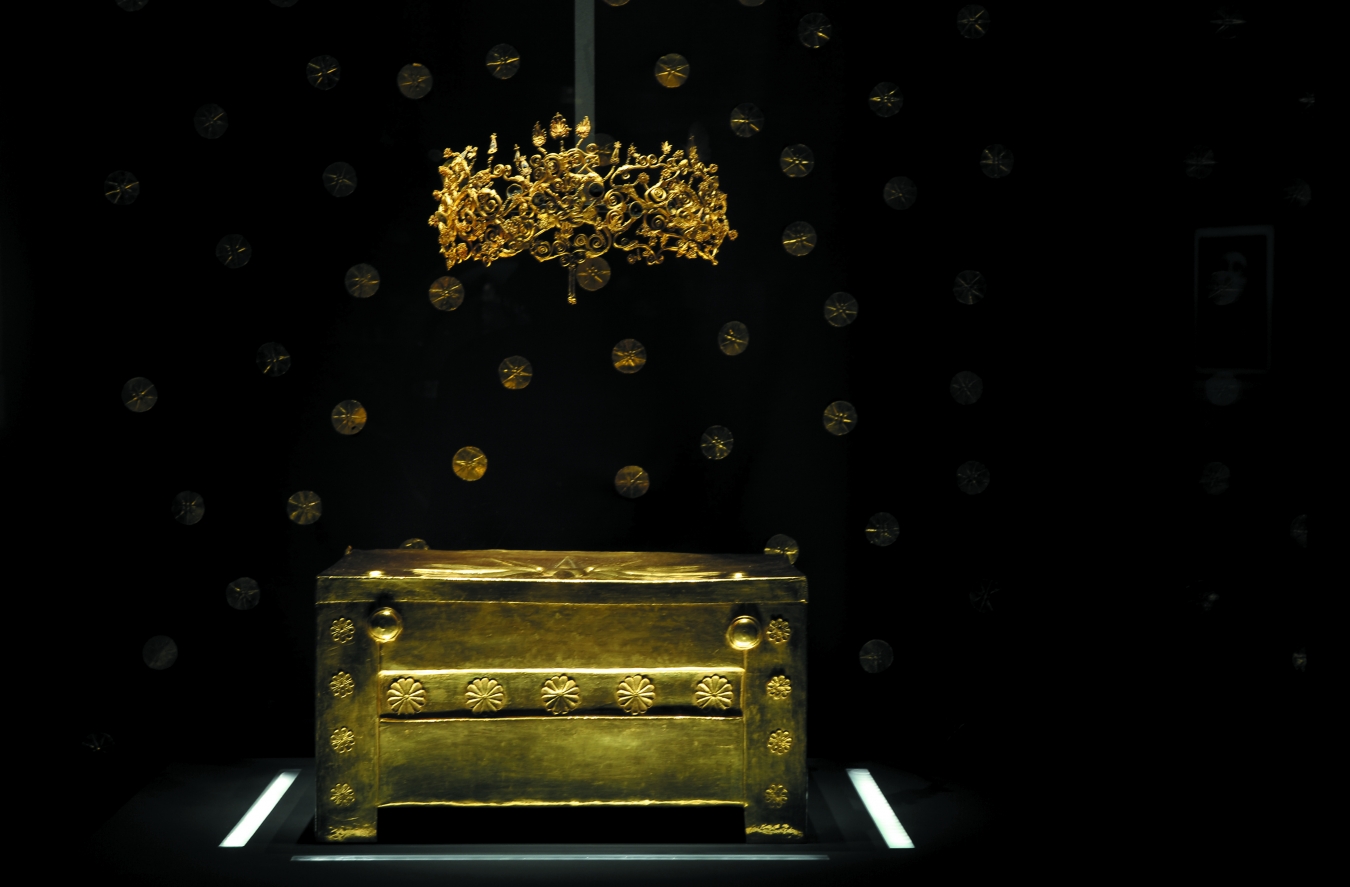
Vergina holds enormous significance in Greek and world history. It was here, in 1977, that archaeologist Manolis Andronikos uncovered the royal tombs of the Macedonian dynasty, including what is widely believed to be the tomb of King Philip II, father of Alexander the Great. This discovery transformed our understanding of ancient Macedonia and revealed treasures of astonishing craftsmanship—golden crowns, intricately decorated armor, ceremonial weapons, and the iconic Golden Larnax, emblazoned with the sixteen-rayed Sun of Vergina.
Today, Vergina is recognized as one of Greece’s most important archaeological destinations and a UNESCO World Heritage Site.
What to See
The Museum of the Royal Tombs
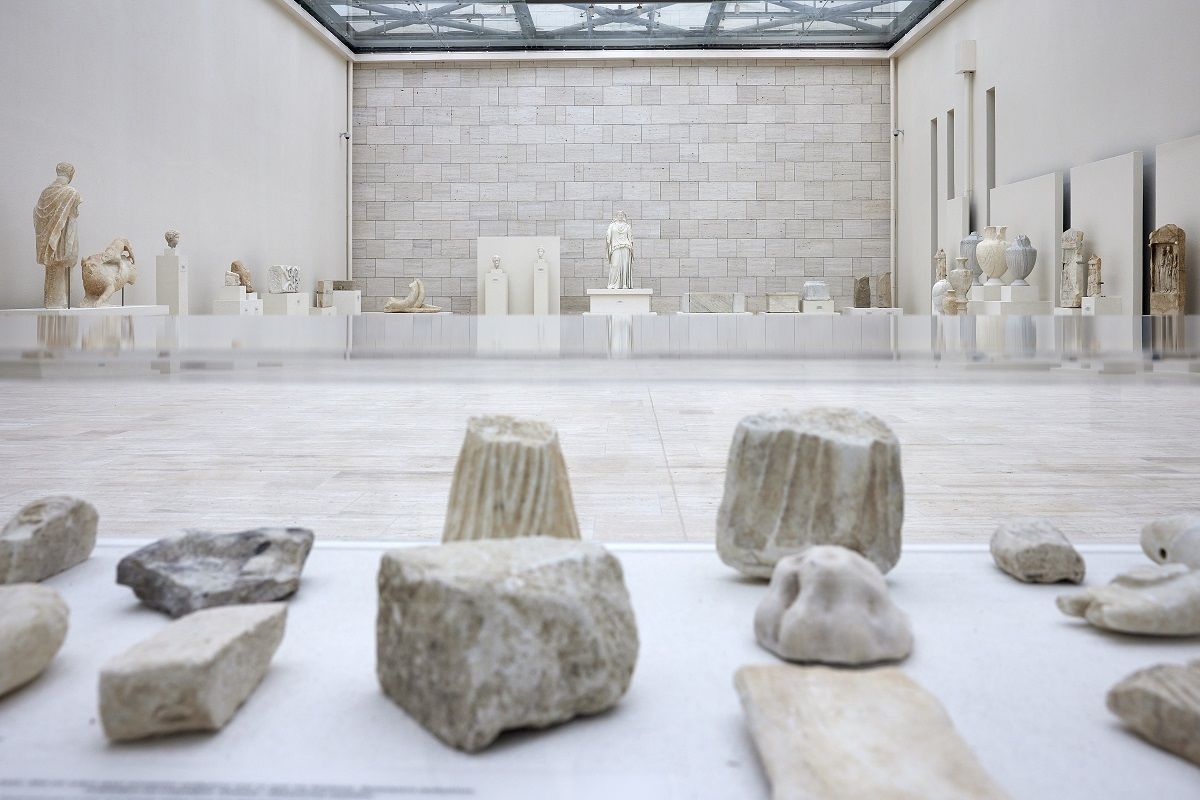
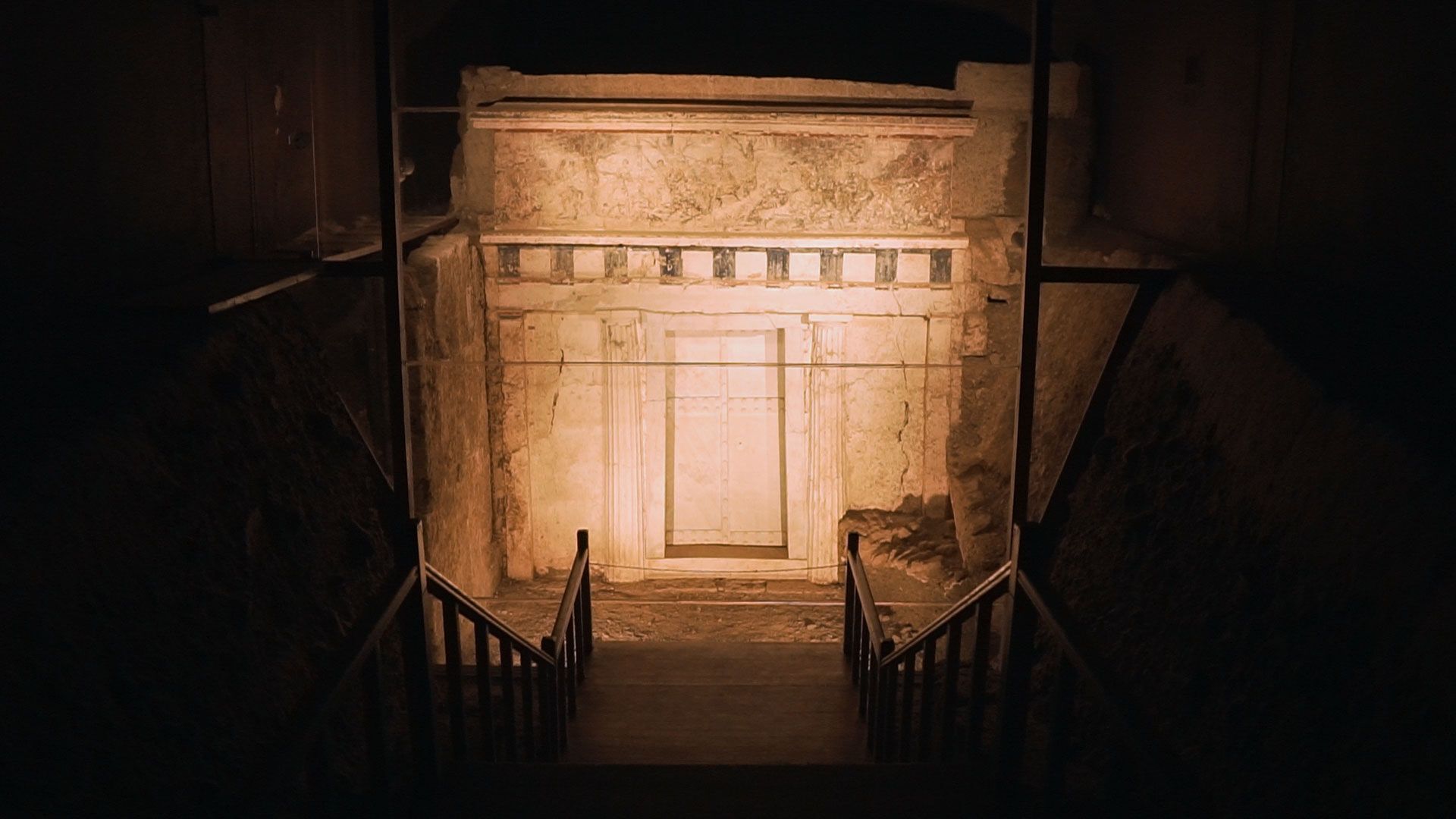
The highlight of any visit is the extraordinary underground museum, built around the royal burial mounds themselves. Entering feels like stepping into another era: dimly lit galleries, ancient tomb facades preserved exactly where they were discovered, and priceless artifacts displayed in dramatic fashion. It is one of the most impressive museum experiences in Greece—powerful, atmospheric, and deeply moving.
Unlike most museums where you walk into a building to see artifacts, here you descend into a Great Tumulus (an earthen mound). The museum is built underground to protect the tombs exactly where they were found.
The Tomb of Philip II: You will stand face-to-face with the actual facade of the tomb of Alexander the Great's father. It remains one of the few royal tombs found completely unlooted.
The Golden Larnax: Look for the heavy 24-carat gold chest containing the bones of Philip II, embossed with the Vergina Sun (the 16-rayed star).
The site is much larger than just the tombs. A single ticket (€20 in 2026) usually covers the entire "Polycentric Museum of Aigai":
The Palace of Aigai: Recently restored and reopened, this was once the largest building in classical Greece—three times the size of the Parthenon. This is where Alexander the Great was proclaimed King.
What to Do
Take a guided tour
Vergina’s stories are what bring the ruins to life. A knowledgeable guide—or even a well-prepared audio guide—can turn stones and artifacts into vivid chapters of history.
Pair history with local wine
The surrounding region of Imathia is known for vineyards and excellent local wines. Many visitors combine Vergina with a stop at a nearby winery, making the day trip both cultural and culinary.
Enjoy traditional Macedonian cuisine
The tavernas in the area offer authentic northern Greek flavors: slow-cooked meats, seasonal pies, fresh salads, local cheeses, and regional wines. It’s the perfect way to round off your visit.
Explore the countryside
Vergina is surrounded by rolling hills, orchards, and scenic rural landscapes. Spring and autumn are especially beautiful seasons for a leisurely drive or walk.