pinelopi

pinelopi

Discover Volvi: Crystal Beaches, Authentic Greece & Accessible Seaside Fun
Published in Sea and sun

Looking for a Greek summer destination that combines natural beauty, award-winning beaches, authentic experiences, and accessibility? The Municipality of Volvi—nestled along the stunning Strymonian Gulf in Central Macedonia—is a hidden gem waiting to be explored.

Easily reached via Egnatia Odos (Greece's main highway) and just an hour's drive from Thessaloniki's "Macedonia" International Airport, the region offers golden beaches, a friendly atmosphere, and all the ingredients for a perfect summer holiday.

Why Choose Volvi for Your Summer Escape?

  • Multiple Blue Flag Beaches for clean waters and top amenities
  • Authentic Greek hospitality in coastal villages like Asprovalta, Nea Vrasna, Vrasna Beach, and Stavros
  • Easy access from major transport hubs and cities
  • Local tavernas, beach bars, and markets for every taste
  • Family-friendly environment with water sports and playgrounds
  • Accessible beach with SeaTrack system in Stavros for visitors with mobility needs


Asprovalta: Endless Beach & Mediterranean Charm


A proud holder of the Blue Flag, Asprovalta is known for its wide, sandy shore, framed by green hills. The beach never feels overcrowded, even in high season, making it ideal for couples and families alike.

Enjoy:

  • Water sports like paddleboarding, jet skiing, and beach volleyball
  • Organized umbrellas and sunbeds
  • Family-run tavernas and seaside cafés serving delicious Greek meals
  • A walkable promenade with shops, bakeries, and ice cream stands

It’s more than a beach—it’s a full Greek summer experience.

Nea Vrasna: Relaxed Ambience & Great Views

Nea Vrasna boasts 5 kilometers of Blue Flag-awarded coastline, offering both comfort and natural beauty. It’s an ideal destination for those who want to unwind and connect with the sea.

Reasons to visit:

  • Enjoy calm mornings with panoramic views from Thassos to Mount Athos
  • Stroll along the vibrant seafront promenadeVisit the shops and markets of nearby Asprovalta
  • Try local meze and fresh seafood at charming tavernas

Vrasna Beach: Nature & Tradition Combined

Surrounded by lush forests, olive groves, and colorful flowers, Vrasna Beach feels like a summer postcard come to life. The emerald waters and soft sand make this beach one of the region’s top choices.

What you’ll love:

  • A well-maintained, organized beach awarded with the European Blue Flag
  • Shaded cafés and traditional tavernas perfect for dinner by the waves
  • A peaceful atmosphere with nature all around

It’s ideal for couples seeking a romantic getaway or anyone looking for a more laid-back vibe.

Stavros: A Beach for Everyone

The beautiful coastal town of Stavros, located near Nea Vrasna, has taken a meaningful step toward inclusivity. One of its beaches is now equipped with a SeaTrack system, allowing independent sea access for individuals with mobility challenges.

SeaTrack is a solar-powered ramp that provides safe entry into the water via a motorized seat. It’s ideal for:

  • Visitors using wheelchairs
  • Seniors or people with reduced mobility
  • Anyone seeking safer, supported access to the sea

Stavros also offers lovely waterfront restaurants, scenic walking paths, and a welcoming atmosphere for all travelers.

How to get there:
By car from Thessaloniki (~1 hour) via Egnatia Odos (A2)
By bus from KTEL Thessaloniki to Asprovalta, Vrasna, or Stavros

Whether you're swimming in the clear waters of a Blue Flag beach, savoring grilled fish at a seaside taverna, or watching the sun set from a quiet bay, Volvi offers a Greek summer you'll never forget. Volvi is calling - are you ready to answer?


More
Step Into the Heart of History: Thessaloniki’s 9th International Monuments Festival & Monument Run

Published in Arts & Culture

This May, Thessaloniki invites locals and visitors alike to take part in a one-of-a-kind cultural celebration that blends history, art, music, and movement—the 9th International Monuments Festival and the spectacular 9th Monument Run. Running from May 23–25, 2025, the Festival offers a powerful reminder that heritage isn’t just something we preserve—it’s something we live, celebrate, and even race through!

A City Alive with Memory

Thessaloniki, a city known for its mosaic of monuments and enduring cultural legacy, becomes a vibrant canvas for artists, musicians, runners, and communities. For the ninth consecutive year, this Festival transforms ancient sites and public spaces into a living, breathing experience of collective memory and creativity.

Organized by the Cultural Association IAMOS, in collaboration with prestigious academic and cultural institutions, the Festival promises a packed three-day lineup filled with music, visual arts, community engagement, and athletic inspiration.


Art Meets the City: Visual Dialogues with the Past

May 23 – June 6, 2025
Islahane Cultural Center

Kicking off the festivities is a thought-provoking art exhibition titled “Visual Dialogues with the City”. Created by students from the Aristotle University of Thessaloniki’s School of Visual and Applied Arts, these works explore memory, transformation, and the identity of public space. The exhibition encourages viewers to see Thessaloniki not just as a backdrop, but as an active participant in its own artistic interpretation.

Opening event: Friday, May 23, 1:00 PM


A Symphony of Traditions: Musical Performances in Historic Spaces

Friday, May 23 | 7:00–9:30 PM
Courtyard of St. Nicholas Orphanos Church
Immerse yourself in a poetic blend of Mediterranean soundscapes and original compositions by up-and-coming musicians from the University of Macedonia. A soulful evening that merges contemporary voices with ancient vibes.

Saturday, May 24 | 8:00–9:30 PM
Rotunda – Tribute to Antonio Vivaldi
Classical lovers rejoice! Enjoy elegant renditions of Vivaldi’s timeless works performed by the String Orchestra of the University of Macedonia and top-tier soloists.

Saturday, May 24 | 8:30–9:30 PM
Eptapyrgio – “The Resurrectionals”
A unique performance that fuses Byzantine vocal traditions, instrumental ensembles, and Greek secular music, celebrating the theme of resurrection under the artistic direction of Georgios A. Patronas.


The Monument Run: When History Takes the Lead

Sunday, May 25 | Race starts at 7:00 PM
Starting Point: Eptapyrgio

Forget your average city run. The Monument Run Thessaloniki is the only race in the world that winds through historic landmarks, offering a truly immersive experience of cultural memory in motion. Whether you’re an avid runner or a curious spectator, this event is for all ages and abilities.

Race Highlights:

  • 6:00 PM – Guided tour for runners, volunteers & guests
  • 6:25 PM – Live percussion by the Kurukutu group
  • 6:45 PM – Group warm-up led by fitness experts
  • 7:00 PM – Race start with Olympic champion Voula Patoulidou
  • 7:10 PM – Traditional dances from the "Friends of Nature" group
  • 8:05 PM – Awards ceremony
  • 8:30 PM – Closing celebrations


More

Serenity Just Outside the City: Visiting the Monastery of Saint John the Theologian

Published in Getaways

Images source:https://www.grecomap.com/

Just a short 30-minute drive from the busy streets of Thessaloniki lies a hidden gem that offers something rare and deeply needed—peace. The Monastery of Saint John the Theologian in Souroti is not just a spiritual destination for Orthodox pilgrims, but a tranquil retreat for anyone seeking quiet reflection, gentle beauty, and a glimpse into Greece’s living religious traditions.

Why visit?

This women’s monastery is best known as the resting place of Saint Paisios of Mount Athos, one of the most beloved modern saints of the Orthodox Church. Visitors from around the world come to pay their respects at his tomb, but even those unfamiliar with his story often find themselves moved by the serene atmosphere and warmth of the community.

What to expect

The monastery is famous as the final resting place of Saint Paisios of Mount Athos, a revered modern Orthodox saint known for his wisdom and humility. His teachings and life story have attracted pilgrims from around the world, making Souroti a significant spiritual site.

Beyond its religious importance, the monastery offers visitors a chance to see authentic Greek Orthodox monastic life and appreciate serene surroundings filled with beautiful gardens and traditional architecture. The monastery is surrounded by gardens, olive trees, and lavender bushes, and everything is kept with loving care. The scent of incense, the soft sound of chanting, and the hospitality of the nuns combine to create an experience that’s peaceful and grounding.

You don’t need to be religious to appreciate the feeling of stillness here. The chapel, adorned with icons and frescoes, is open to respectful visitors, and there’s a small shop where you can buy local herbal teas, handmade soaps, and devotional items.

101809 Saint John Monastery Souroti 03

Tips for visiting

  • Dress modestly: Women are asked to wear long skirts and have their shoulders covered. Men should wear long pants. Skirts and shawls are usually provided at the entrance if needed.
  • Check opening hours: The monastery usually closes midday and reopens in the afternoon.
  • Bring water and a hat: The sun can be strong in summer, and while the grounds are shaded, it’s good to be prepared.
  • Keep it quiet: Photography is limited, and silence is appreciated—this is an active monastic community.

A place for all

Whether you're drawn by faith, curiosity, or simply a desire to escape the noise of daily life, the Monastery of Saint John the Theologian offers a kind of timeless hospitality that stays with you long after your visit.

For families, couples, or solo travelers looking to experience the quieter side of northern Greece, this is a meaningful stop just outside Thessaloniki’s city limits.

When can you visit?

The monastery welcomes visitors daily, but it has specific opening hours to respect the monastic community’s routines:

  • Morning hours: 8:00 AM to 12:30 PM
  • Afternoon hours: 3:30 PM to 7:00 PM

It’s recommended to visit outside of meal and prayer times to fully enjoy the peaceful atmosphere. The monastery closes for a few hours midday and on major Orthodox holidays.

More

Little explorers' guide to culture and play in Thessaloniki

Published in Tips

Thessaloniki is more than a city of museums—it’s a museum in itself. With ancient ruins next to modern cafés, Roman roads beneath your feet, and even archaeological finds built into the brand-new metro stations, the city is a living timeline. Exploring it with kids turns every corner into a story.

And when you’re ready to go indoors, Thessaloniki’s museums are the perfect place to keep young minds curious and engaged. Here’s a local’s guide to doing it right—with kids in tow.

Begin with Play at the Children’s Museum

The Children’s Museum of Thessaloniki is the perfect starting point. Designed for ages 3–12, it’s full of imaginative exhibits, pretend play areas, and fun workshops. Everything is hands-on, creative, and welcoming—even for non-Greek speakers. It's a great way to introduce little ones to the idea that museums can be fun.

paidiko mouseio thessalonikis

Get Moving at the Olympic Museum

Next, let the kids burn some energy at the Olympic Museum. They’ll love the interactive sports displays, digital games, and Olympic memorabilia. It’s a vibrant space that teaches history through action—and it's stroller-friendly, with a café and plenty of space for curious kids to explore.

Travel Through Time at the Archaeological and Byzantine Museums

In the heart of the city, the Archaeological Museum of Thessaloniki brings ancient Macedonia to life with golden treasures, armor, and statues. Right next door, the Museum of Byzantine Culture offers a quieter, magical experience with glowing icons and colorful mosaics. The visual richness of both museums appeals to kids far more than you might expect.

archeologiko mouseio

History Everywhere You Look

One of the best things about Thessaloniki? You don’t need to step inside a museum to learn something new. From the White Tower to Roman arches, and even the city’s new metro, history is woven into everyday life. Several metro stations double as mini-exhibits, showcasing ruins discovered during construction—turning even a train ride into a time-travel adventure.

Family Tips

  • Go early: Museums open by 9 or 10 a.m. and close by late afternoon.
  • Mix it up: Alternate indoor visits with outdoor walks, seaside snacks, or a stop at a nearby park.
  • Keep it light: One or two museum visits per day is plenty—let kids set the pace.

A City Made for Exploration

Thessaloniki is a layered city where every building tells a story. Visiting museums with kids isn’t about ticking off lists—it’s about inviting them into those stories, one discovery at a time. Whether it’s a golden crown, a digital race, or a 2,000-year-old column at a metro stop, the adventure is everywhere. You just have to look.

More

Bit Bazaar: Hidden Corners, Vintage Treasures, and Rebetiko Nights

Published in Hidden gems

An atmospheric mix of antique shops, bohemian bars and old-school tavernas. This is Bit Bazaar! 

Tucked just behind the Roman Agora, down a narrow alley that most tourists pass without noticing, lies a hidden square that feels like a different city entirely. A place where time seems to slow down, music spills from old tavernas, and every corner is steeped in memory.

Bit Bazaar was born in the early 20th century, shaped by refugees from Asia Minor who brought with them not only their belongings, but their culture, food, and music. The name itself comes from the Turkish bit pazarı, meaning flea market, and though it once bustled with second-hand vendors and old-world merchants, it has since evolved into something more atmospheric—part vintage treasure trove, part underground hangout.

There’s something deeply nostalgic about walking through Bit Bazaar. Daylight filters through old awnings, casting soft shadows over dusty shelves filled with vinyl records, war memorabilia, antique radios, and forgotten postcards. In the corners of the square, a few small workshops still repair clocks or restore furniture, preserving a slower, hands-on way of life.

collage min

As evening sets in, the energy shifts. The sound of clinking glasses and laughter begins to echo off the stone walls, and the scent of grilled sardines and oregano rises from open tavern kitchens. This is when Bit Bazaar truly comes alive. Beneath dim hanging bulbs, musicians tune their instruments and dive into rebetiko—the gritty, poetic blues of Greece. The lyrics speak of heartbreak, exile, and rebellion, and somehow, in this weathered square surrounded by crumbling plaster and graffiti, the music feels exactly right.

The tavernas here aren’t fancy. They're humble, a little chaotic, and absolutely authentic. Locals crowd wooden tables over tsipouro and small plates, talking politics, art, and family. Tourists who happen to wander in are often surprised—first by the friendliness, then by how quickly they feel like part of the scene.

Bit Bazaar isn’t obvious. It's hidden in plain sight, behind ordinary streets and under the noise of the modern city. But that’s exactly what makes it special. It asks you to slow down, to look closer, and to listen. It’s not just a place to visit—it’s a place to feel, to discover, to remember.

If you’re the kind of traveler who prefers soulful corners to polished sights, who likes your experiences unfiltered and real, then this forgotten bazaar may just become the most memorable part of your journey.


More

Church of Saint Nicholaos Orphanos: Where Time Stands Still

Published in Easter in Thessaloniki

Tucked away in the serene Upper Town (Ano Poli) of Thessaloniki, the Church of Saint Nicholaos Orphanos is one of the city’s best-kept secrets—a true sanctuary of peace, history, and Byzantine art. For travelers seeking to connect with Thessaloniki’s rich spiritual and cultural heritage beyond the buzz of the waterfront and shopping streets, this small yet majestic church is an absolute must-visit.

Location: Where Time Stands Still

Located inside the quiet cobbled lanes of Ano Poli, the Church of Saint Nicholaos Orphanos feels like stepping into another era. This part of Thessaloniki is known for its preserved Ottoman and Byzantine architecture, offering a tranquil escape from the urban bustle below. Surrounded by cypress trees and old stone houses, the church is part of the city’s UNESCO World Heritage-listed Paleochristian and Byzantine monuments.

It’s best reached on foot—either as part of a scenic uphill walk or a short taxi ride followed by a stroll. The journey there is half the experience, as you meander through narrow alleys and flower-lined pathways with sweeping views of the Thermaic Gulf.

Atmosphere: A Sanctuary of Stillness

Στιγμιότυπο οθόνης 2025 04 10 105653 min

The moment you step through the gate into the churchyard, a sense of calm washes over you. Birds chirp in the trees, the scent of pine and wild herbs lingers in the air, and the noise of the city fades completely. The church itself is small and humble in structure—built in the early 14th century—but there is something undeniably sacred about the space.

The interior is dimly lit and intimate, with soft natural light filtering through small windows. Inside, you’ll find an extraordinary collection of frescoes that feel remarkably alive for their age. These frescoes, vibrant and full of detail, depict biblical scenes and saints with expressive faces and delicate gestures. The artistry is a visual storytelling of faith, painted during a time of deep spiritual and political transformation in the Byzantine world.

What Makes This Church Unique?

What truly sets the Church of Saint Nicholaos Orphanos apart is its frescoes. These are considered among the finest examples of late Byzantine art in the Balkans. Attributed to the same artistic circle that decorated Mount Athos’ Hilandar Monastery, the paintings display a rare balance between human emotion and divine presence. They’re not just religious art—they’re historical documents of devotion, resilience, and beauty.

Στιγμιότυπο οθόνης 2025 04 10 105935 min

Another unique feature is the fact that the church has remained largely untouched by major renovations or commercial tourism. It retains its original spirit and simplicity, giving visitors an authentic and almost private glimpse into Byzantine spirituality.

Why You Should Visit

Whether you’re a history lover, an art enthusiast, a spiritual seeker, or just someone looking for a quiet, meaningful experience in Thessaloniki, the Church of Saint Nicholaos Orphanos delivers. It’s a place that invites silence, reflection, and awe.

Many visitors leave feeling moved—by the art, the tranquility, and the realization that such places still exist in our fast-moving world. It’s not flashy or grand, but it stays with you. And that, perhaps, is its greatest miracle.

So when you find yourself in Thessaloniki, carve out a morning or afternoon to wander the Upper Town, and let the Church of Saint Nicholaos Orphanos reveal its quiet magic to you.


Insider Tip: Try to visit in the early morning or just before sunset for the most atmospheric light and fewer crowds. Don’t forget to explore the surrounding Ano Poli area, full of charming cafes, panoramic views, and other hidden historical sites.

More

Art Thessaloniki International Contemporary Fair

Published in Events

Art Thessaloniki International Contemporary Fair, from 15 to 18, May  2025, will be presenting its 8th edition, achieving to become the most dynamic cultural event in South East Europe.

The Art Thessaloniki International Contemporary Fair by using its geographical location and its international cultural orientation attracts collectors and art lovers from all around the world.

Celebrates its first decade (2015-2025) of contribution to the international art scene.

We’ll welcome galleries and collectors from Greece, the Balkans, Europe, Asia and the USA.

Supporting young artists up to 33 years old, we’ll award a total of ten prizes. Also, the Independent Artists project that will take place for the 3rd year is a great opportunity for independent artists to exhibit their works in order to access galleries, curators and collectors.
More

Vibrant, Historic, and Unforgettable: A Young Traveler's Guide to Thessaloniki

Published in Tips

Whether you’re into history, art, food, or nightlife, Thessaloniki offers a perfect mix of everything, making it an ideal destination for those in their 20s and 30s. Here’s your guide to making the most out of your trip to this dynamic city.

Explore the city’s rich history with a modern twist

Thessaloniki is a city that blends the ancient with the contemporary. You can walk through the streets and encounter centuries-old monuments next to modern cafes and shops. Start with a visit to White Tower, a 15th-century Ottoman tower that has become the symbol of the city. It offers a panoramic view of Thessaloniki and is a great spot for Instagram-worthy photos.

Don’t miss Aristotelous Square, the heart of the city, and make sure to pop by the Archaeological Museum and the Byzantine Walls. For an even deeper dive into history, head to Roman Agora and the Arch of Galerius. These historical gems are perfect for those who enjoy learning about the past while exploring vibrant neighborhoods.

Taste your way through Thessaloniki’s culinary scene

Food lovers will fall head over heels for Thessaloniki. In the morning, grab a Bougatsa - the must-try breakfast treat - filled with custard or minced meat.

For lunch or dinner, indulge in Souvlaki at one of the trendy souvlaki joints, or try Moussaka, the famous Greek dish made with eggplant, minced meat, and béchamel sauce. Modiano Market, located in the city center, is a great place to sample fresh local produce and enjoy the bustling vibe.

And don’t forget dessert! Armenoville and Trigono Panoramatos are two Thessaloniki desserts with deep local roots. Armenoville is a nut-filled phyllo pastry, while Trigono Panoramatos is a syrup-soaked triangle filled with creamy custard. Both desserts reflect the city’s rich cultural heritage, offering a delicious taste of Thessaloniki's unique culinary history.

Embrace Thessaloniki’s nightlife

Thessaloniki’s nightlife is legendary. The city is known for its youthful vibe, and locals love to go out late. If you’re looking to party, head to the Ladadika area, where you’ll find countless bars, clubs, and live music venues. For late-night vibes, don’t miss Valaoritou Street, home to funky bars and lively clubs. Thessaloniki loves to stay up late, so expect the night to stretch into the early hours of the morning!

Hit the beach (Yes, Thessaloniki has beaches!)

You don’t have to leave Thessaloniki to enjoy some sun and sea. Just a short ride from the city center, you’ll find several beaches along the Thermaic Gulf. Head to Perea Beach or Agia Triada, which are easily accessible by bus or taxi. These beaches are perfect for chilling by the sea, swimming, or enjoying a cold drink at one of the many beach bars.

Take a daytrip to Mt Olympus

For the more adventurous travelers, a day trip to Mount Olympus is an absolute must. Just a short drive from Thessaloniki, Mount Olympus is perfect for hiking, exploring ancient ruins and enjoying the stunning scenery. Whether you're an experienced hiker or just someone looking for a more relaxed walk-through nature, there’s something for everyone.

You can also visit Dion Archaeological Park, located at the foot of the mountain, where you can explore ancient ruins and enjoy the picturesque views.

Don’t miss Thessaloniki’s Festivals and Events

Thessaloniki is known for its lively festivals and events throughout the year. If you're visiting in September, don’t miss the Thessaloniki International Film Festival, one of the biggest film events in southeastern Europe. If you’re into music, the Reworks Festival, a popular electronic music event, is the place to be. If you’re visiting during the summer months, Thessaloniki is packed with outdoor events, live music, and performances in its many open-air venues.

More

Thessaloniki's Subway: An Open-Air Museum Beneath the City

Published in Lifestyle

Thessaloniki is a city that tells its story through layers of history, and now, the city's subway system offers an unexpected way to explore that past. As the metro continues to be developed, the construction has uncovered ancient ruins, making the subway more than just a way to get around—it’s like an open-air museum beneath the city’s streets.

If you're visiting Thessaloniki, you might not expect the subway to be an archaeological treasure trove. But with every new station that opens, the subway has become a cultural experience in itself, offering a fascinating walk through the history of this vibrant city.

Archaeological Discoveries Beneath the Tracks

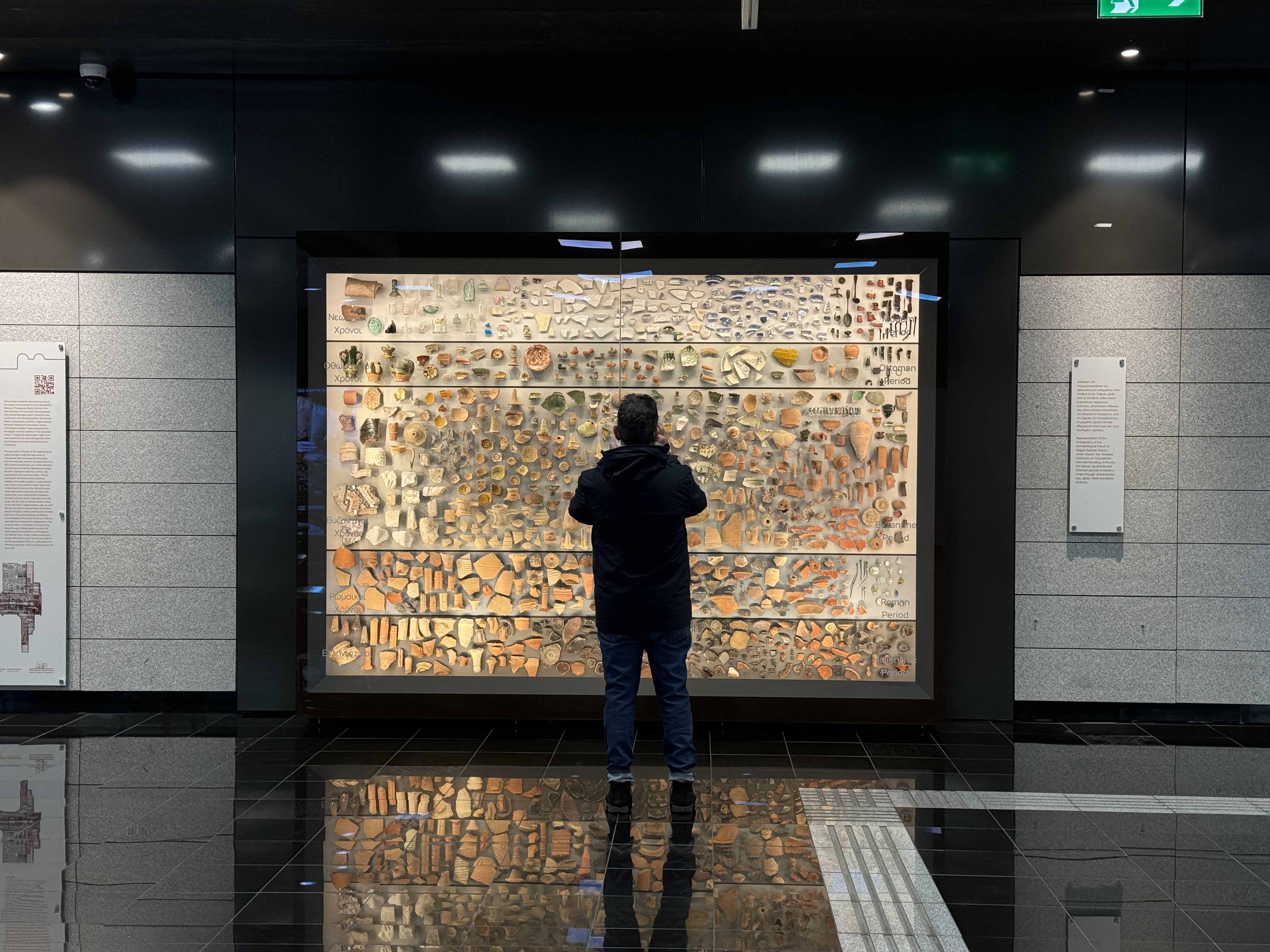
When building the metro, excavations revealed incredible artifacts from the ancient, Roman, and Byzantine periods. These discoveries have turned the subway stations into a fascinating historical journey for both locals and visitors.

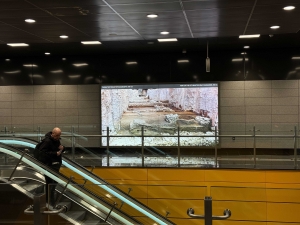
  • Venizelou Station is home to parts of a Roman street and beautiful mosaics. Passengers can view the ruins through glass panels on the station floor.
  • Agia Sofia Station showcases Byzantine ruins, including parts of an ancient water system and early Christian architecture.
  • Ippodromio Station is near the site of an ancient hippodrome, with remnants of its Roman walls.

IMG 2866 min

A Museum Experience Like No Other

What truly sets Thessaloniki’s subway apart is how it merges modern transportation with a historical experience. In most cities, a subway ride is simply a means of getting from one place to another. But in Thessaloniki, it’s a journey through the past.

Each station acts as a microcosm of the city's long history. Travelers are not just passing through an ordinary subway system but through layers of civilizations, from the ancient Greeks to the Ottomans. The subway stations are designed with the archaeological findings in mind, and many of them include displays and exhibitions where you can learn more about the artifacts uncovered during the construction.

At some stations, glass floors allow commuters to walk over the ruins, giving them a chance to view the ancient foundations of Thessaloniki from above. These carefully preserved historical elements blend seamlessly with the modern subway infrastructure, creating a fascinating juxtaposition of the old and the new.

IMG 2885 min

How to Make the Most of Thessaloniki's Subway Museum

1. Take Your Time at Key Stations: If you’re a history enthusiast or simply curious about the city’s past, spend extra time at key stations like Venizelou and Agia Sofia. These stations have been designed to showcase the archaeological findings, and the information panels will help you understand the significance of each discovery.

2. Learn About Thessaloniki’s Ancient Streets: Some stations feature replicas of ancient mosaics and statues from the Roman and Byzantine eras. These exhibits offer a visual journey through time, and you'll come away with a deeper appreciation for Thessaloniki’s heritage.

3. Combine Subway Rides with Walking Tours: Use the subway as a starting point to explore the city’s other historic sites. For example, you can take the metro to Venizelou Station and then walk to the nearby Aristotelous Square, White Tower, or Arch of Galerius, each of which offers a deeper connection to Thessaloniki’s past.

Thessaloniki’s subway is not just a transit system - it’s a living museum. As you travel through the city, you’re also traveling through time, witnessing the layers of history that have shaped Thessaloniki into the vibrant city it is today. Whether you’re a history buff or just looking for a unique way to get around, the subway offers a rare glimpse into the past beneath the bustling streets of Thessaloniki.


More

Discovering the Most Beautiful Library in Thessaloniki

Published in Arts & Culture

If you’re a book lover or simply enjoy exploring hidden gems around Thessaloniki, the Municipal Library of Ano Poli is a must-visit. Tucked away in a stunning neoclassical building on Krispou Street 7, this library is not just a haven for bookworms, but a place that transports you to a world filled with history, culture, and charm.

As soon as you step into the library, the first thing you’ll notice is the enchanting scent of aged books mixed with the fresh aroma of polished wood. The building, which dates back to between 1897 and 1905, is an architectural masterpiece that has been lovingly restored over the years. It originally served as the residence of Thessaloniki's military commander, Hadji Bey Kaimakami, and has since witnessed fascinating changes—being home to soldiers, refugees, and even fire victims after the city's devastating 1917 fire.

Throughout its history, the building has transformed in many ways: it was used as a public school, a high school, and then, in 1977, it was declared a protected historical monument. Today, it houses the stunning Municipal Library of Ano Poli, a space where history meets modernity.

The moment you step inside, you’re greeted by warm wooden floors and old-fashioned wooden doors. Take a walk around the first floor, and you’ll find cozy rooms filled with books. There’s a special feeling about exploring this place - it feels like stepping into a secret world where books have a life of their own. You’ll eventually discover the renowned reading room, a favorite spot for the city’s book lovers. It’s here that the magic of reading comes alive, with plenty of comfortable spaces to immerse yourself in a book.

The library’s collections are impressive, with the first floor dedicated to the Adult Library, which boasts over 13,500 books. Head to the second floor, and you’ll find the Children’s Library, renovated in 2012 thanks to the Stavros Niarchos Foundation. The transformation is remarkable, with a bright, modern aesthetic that blends glass, wood, and red accents, creating a space that’s both inviting and inspiring for young readers. It’s not just about reading books here—there are regular activities for children, from creative workshops to reading events, making it a favorite destination for families.

βιβλιοθήκη άνω πόλης κεντρική

But the library isn’t just about books. It’s a vibrant community hub, offering a range of activities that cater to people of all ages. Thanks to the economic crisis, more and more people have turned to the library not only for books but also for a sense of community. You’ll find everything from foreign language classes and tutoring sessions for high school students, to literary meetings, reading clubs, and even computer courses. The library truly goes above and beyond to serve the needs of Thessaloniki’s residents.

During the summer months, many activities spill into the library’s lovely courtyard, where musical evenings add an extra touch of magic. Whether you’re there for a lecture, a reading session, or just to enjoy a peaceful afternoon with a book, the library offers an ideal environment to unwind and explore.

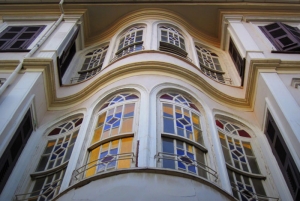
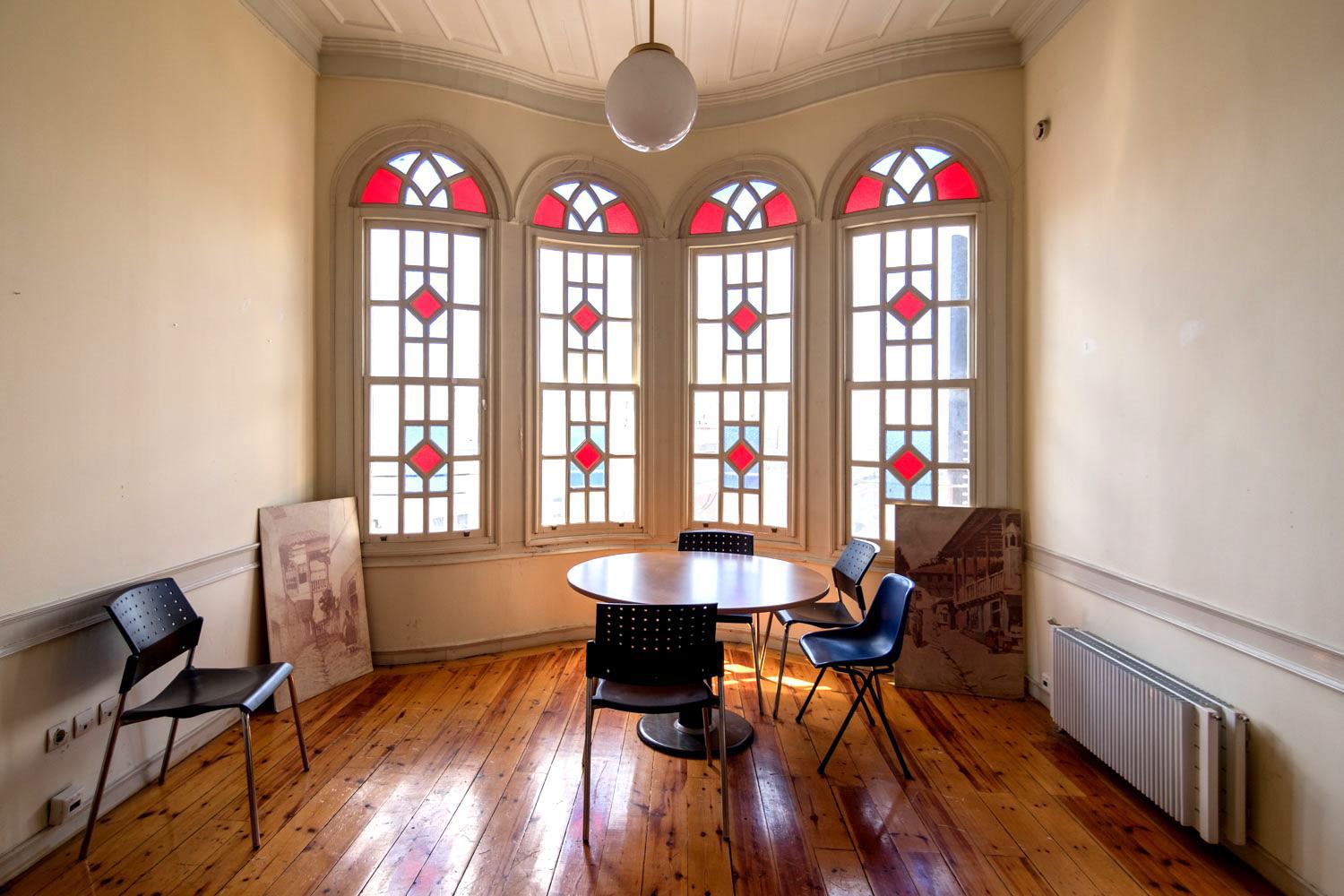
And the best part? The third and final floor of the library offers breathtaking views of Romfais Square through its beautifully restored stained-glass windows. It’s the perfect place to settle down with a book or study in peace. With free Wi-Fi available throughout the building, students and visitors can make the most of this quiet, inspiring space.

For students, the library has become a vital study spot, especially since the Central Municipal Library of Thessaloniki closed for renovations. The quiet atmosphere, combined with modern amenities, makes it the ideal place for focused study or relaxed reading.

So, if you’re ever in the area, don’t miss out on this architectural and literary gem. The Municipal Library of Ano Poli isn’t just a place to borrow books—it’s a place where you can immerse yourself in the history, culture, and stories of Thessaloniki.

Find the Municipal Library of Ano Poli at Krispou 7, Romfais Square.

More
Subscribe to this RSS feed

#visitthessaloniki