pinelopi

pinelopi

A November Day Trip from Thessaloniki: Exploring Ancient Pella

Published in Getaways

As the crisp November air sweeps through Thessaloniki, it's the perfect time for day trips to explore the historic and natural wonders just a short drive away. One such gem is ancient Pella, the capital of ancient Macedonia and the birthplace of the legendary Alexander the Great. Join us on a journey through time and nature as we embark on a day trip to Pella, a place where history and beauty converge.

Our day begins early as we set off from Thessaloniki towards Pella, located approximately 40 miles to the west. The drive itself is a scenic experience, with the changing landscape providing a delightful backdrop for your day.

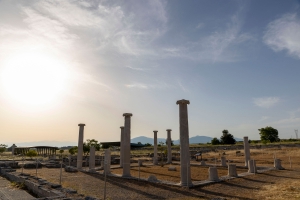
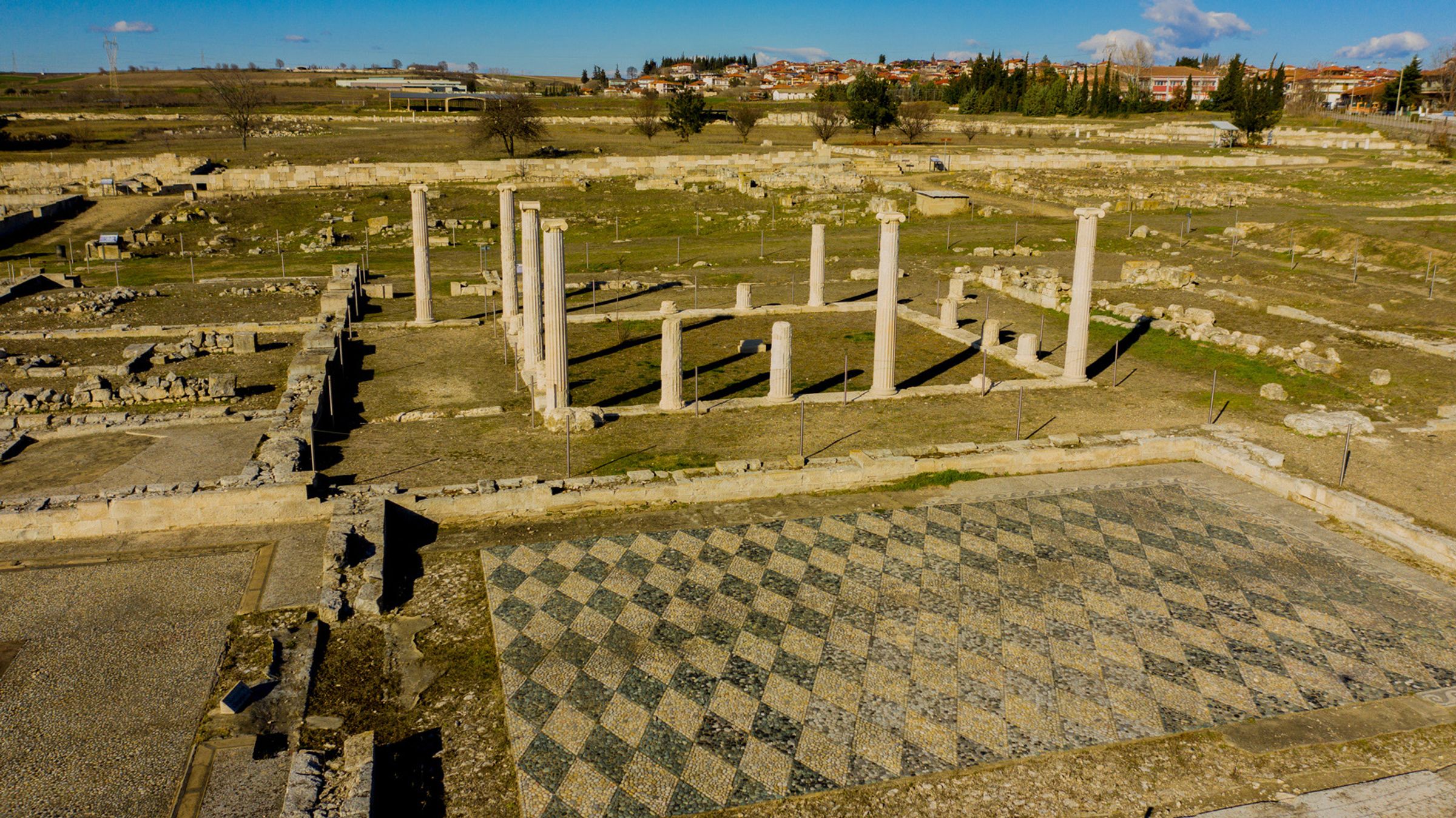
Arriving in Pella, you'll step into a different era. Ancient Pella boasts well-preserved archaeological remains, and you can't help but be in awe of the history that surrounds you. Walk through the ancient city streets, where once the great Alexander walked. Admire the intricate mosaics that tell stories of life in ancient times.  The archeological site that reveals the ancient capital presents the city with its building blocks, houses, and banquet spaces, giving the chance to the visitor to imagine the way of life of the ancient Macedonians. Maybe the most unforgettable memory for the visitor will be the site's unique mosaic floors. Take your time to explore the archaeological site, as each corner reveals a new piece of the past. 

Aρχαία Πέλλα Ancient Pella 23

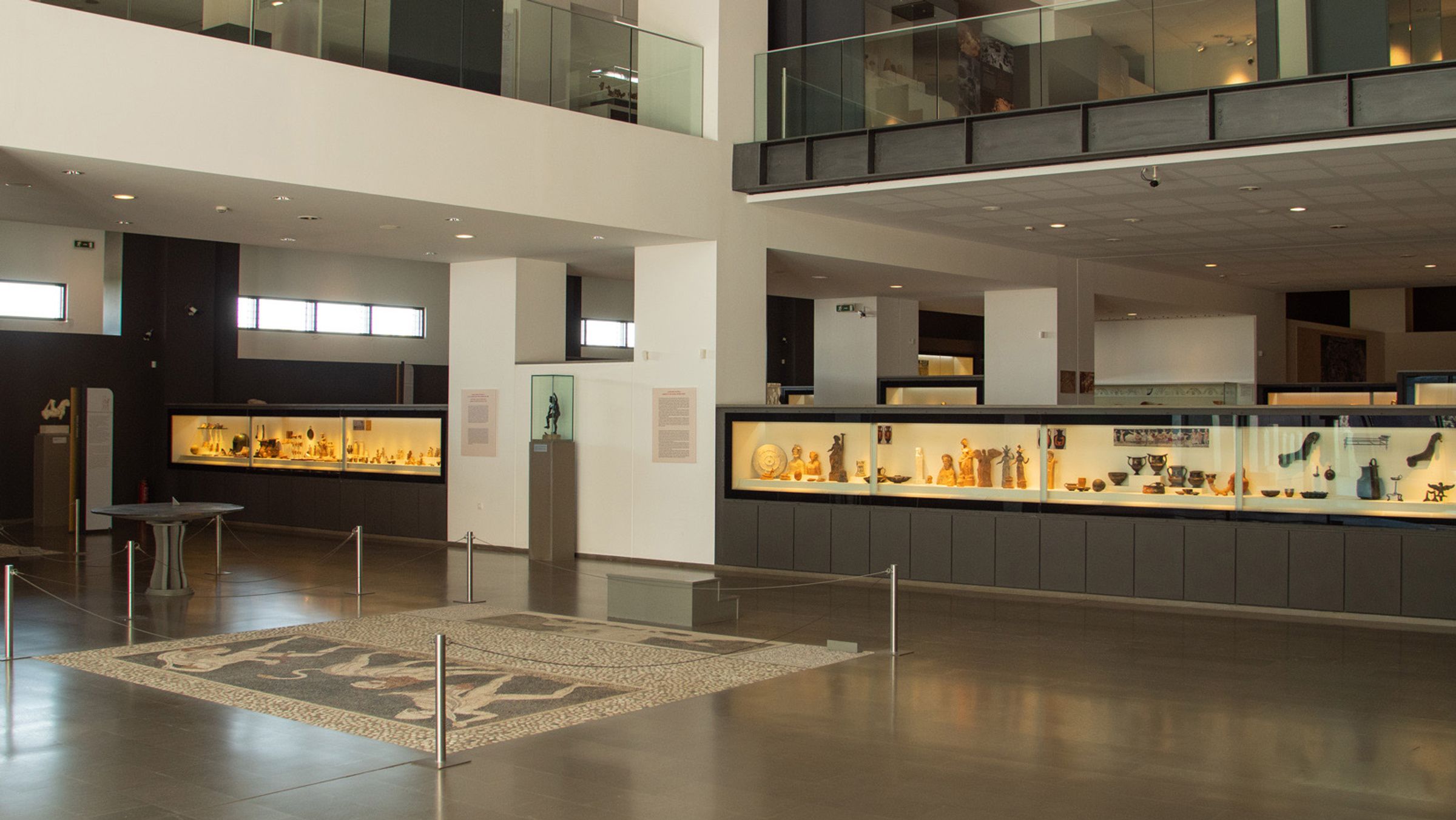
To deepen your understanding of Pella's history, a visit to the Archaeological Museum is a must. Here, you'll find an impressive collection of artifacts and treasures from the ancient city. The marble head of Alexander the Great welcomes visitors to the new, modern Archaeological Museum of Pella, next to the archaeological site. The important find, in the form of the historical figure who stars in the paths of the open-air ancient city and the museum that was completed in 2009, is the introduction to the amazing collection of those brought to light by the archeological excavation in the capital of the Macedonian Kingdom. The Museum offers knowledge about the archaeological site to visitors, both are thematically connected and complete the experience. The collection is presented in five thematic sections, with relevant indicative findings (coins, works of art, inscriptions), representations, photographs, maps, drawings, texts, and everything needed for the time travel in the years of the ancient Macedonians. It's a chance to connect the pieces you've seen at the site with the larger historical narrative.

2Moυσείο Πέλλας Pellas Museum 30

After a morning of exploration, it's time to satisfy your appetite. Visit one of the local tavernas and enjoy traditional Greek cuisine. From moussaka to souvlaki, the flavors are as rich as the history you're discovering. As the day comes to a close, you'll return to Thessaloniki with a deeper connection to the past and a sense of wonder for the historical significance of Pella. This November day trip is a reminder that even in the colder months, Thessaloniki and its surroundings have much to offer, whether you're a history enthusiast, a nature lover, or simply in search of a memorable day adventure. Ancient Pella is a testament to the rich tapestry of history and natural beauty that this region holds, waiting to be explored and cherished.

More

A Day in the Life of a Thessalonian: Exploring Local Culture

Published in Lifestyle

When you visit a new city, it's not just about the places you see; it's also about the people you meet, the traditions you witness, and the local culture you immerse yourself in. Thessaloniki, with its rich history and vibrant lifestyle, offers a unique blend of ancient traditions and contemporary living. We take you on a journey through a day in the life of a Thessalonian, so you can experience the city as a local.


Morning: Coffee and Connections

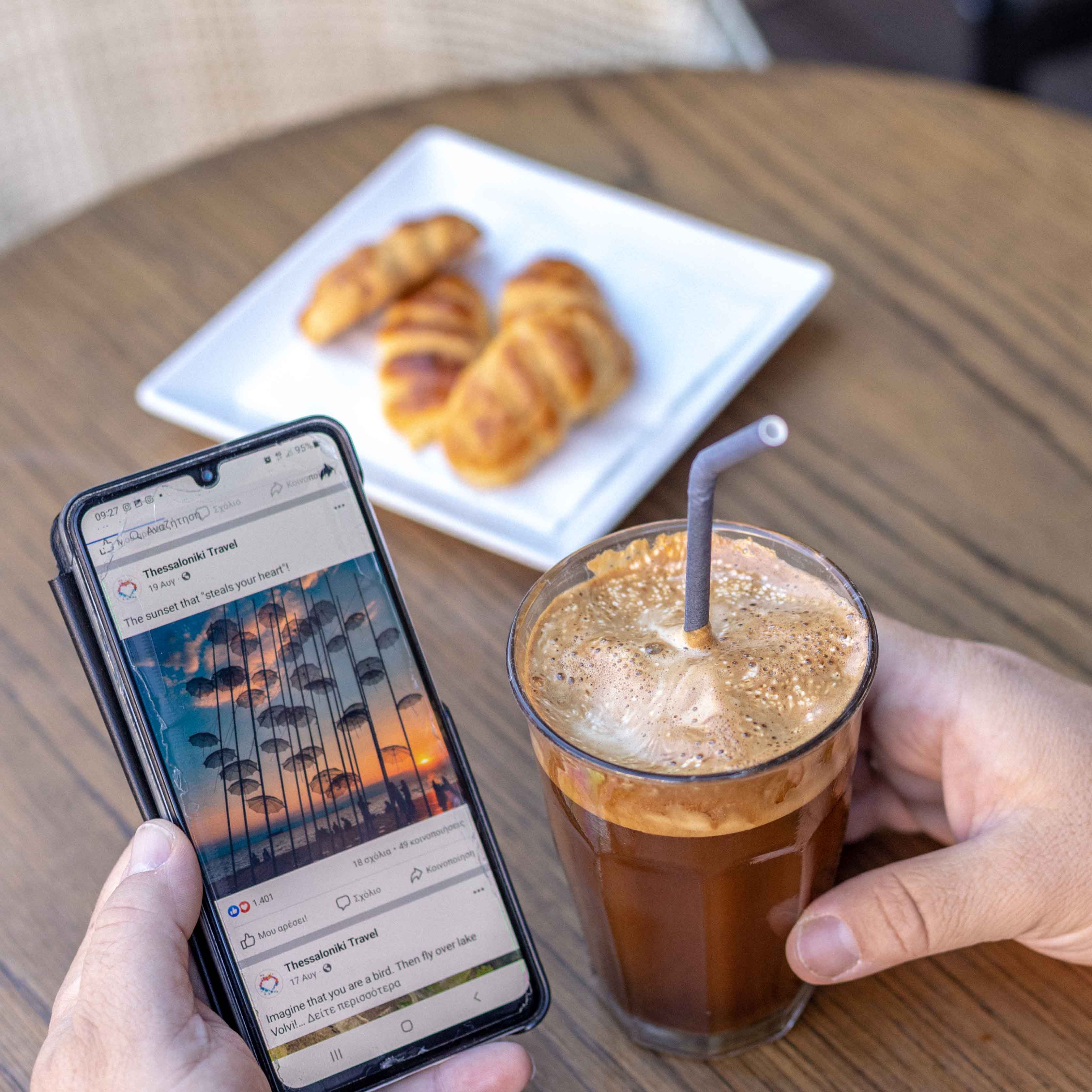
The day in Thessaloniki typically begins with a strong Greek coffee at one of the many local cafés. Join the locals in sipping this dark elixir that fuels the city's mornings. It's not just about the coffee; it's about the connections. Locals love to gather, catch up, and discuss everything from politics to soccer, all over a tiny cup of coffee.

KAFES


Late Morning: Stroll through Aristotelous Square

As the morning progresses, head to the iconic Aristotelous Square. Here, locals and tourists alike enjoy leisurely walks along the city's main square. You'll often find street musicians and artists adding a touch of art to your morning stroll. Be sure to admire the beautiful architecture surrounding the square, which reflects the city's diverse history.


Lunch: The Art of Meze

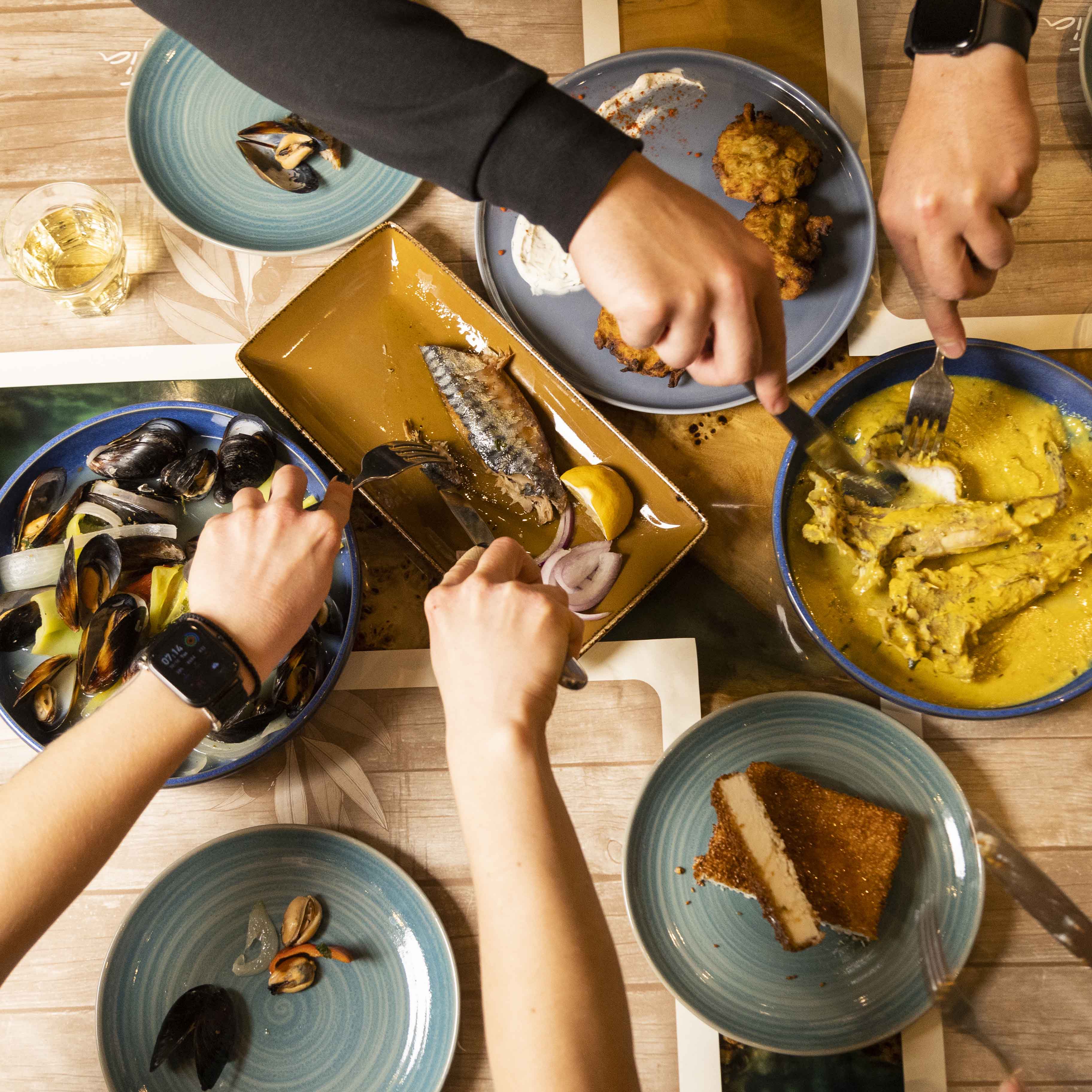
When it comes to lunch, Thessalonians embrace the art of "meze." These small, flavorful dishes are perfect for sharing and are an essential part of the city's culinary culture. Choose a local taverna or mezedopoleio and savor a delightful array of Greek appetizers, from tzatziki to saganaki.

meze


Afternoon: Visit a Museum or Gallery

In the afternoon, immerse yourself in the city's cultural treasures. Thessaloniki boasts a wide array of museums and art galleries that showcase its history, art, and heritage. The Archaeological Museum of Thessaloniki and the Museum of Byzantine Culture are particularly captivating.


Evening: A Sunset Stroll by the Sea

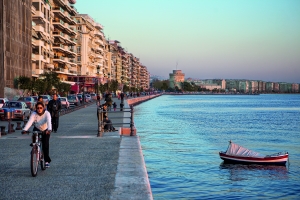
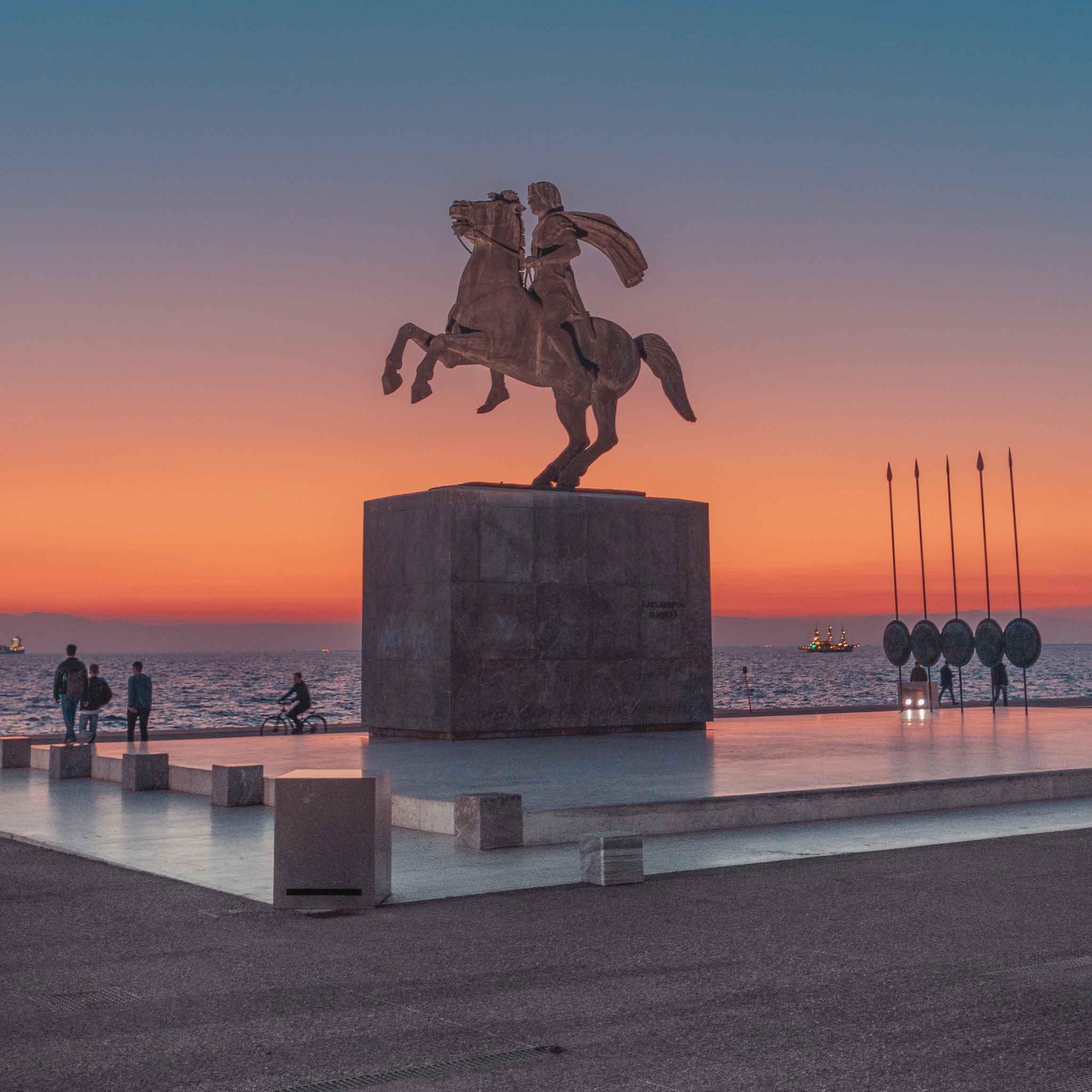
As the sun sets, head towards the Thermaic Gulf for a sunset stroll along the waterfront promenade. The city's residents love to take an evening walk or bike ride by the sea, providing a chance to unwind and reflect as the day draws to a close.

Wanderlust Greece Τhessaloniki 25


Dinner: Traditional Greek Delights

For dinner, indulge in traditional Greek cuisine at one of the city's many tavernas. Locals are passionate about food, and you'll often find families and friends sharing meals late into the evening. Taste dishes like moussaka, souvlaki, and baklava – all accompanied by lively conversations.


Night: Live Music and Laughter

Thessaloniki's nightlife is famous for its live music venues, from bouzoukia to jazz clubs. Join the locals for a night of live music, dance, and laughter. The city truly comes alive after dark, and you'll find people of all ages celebrating life and culture.

As you explore a day in the life of a Thessalonian, you'll not only discover the city's landmarks but also the warm and welcoming spirit of its people. Thessaloniki's local culture is a blend of history, tradition, and contemporary living – an experience that will leave you with a deeper connection to this fascinating Greek city.

More

Thessaloniki PhotoΒiennale 2023: The art of photography - everywhere!

Published in Tips

A photographic image captures the moment, documents the event, can kindle reflection and action, recalls and narrates stories from near and afar. With the consequences of the recent health crisis ever-present, with extreme weather phenomena demonstrating our responsibility towards our poorly protected planet, with wars, violence and turmoil engulfing so many parts of the world, the photographic image is always present, defying borders and distances, stimulating critical thinking, and revealing new, essential and brighter ways forward.
Consistent with its goal to be at the forefront of international debate on photography -alongside other forms of the visual arts- this year's edition of the Thessaloniki PhotoBiennale reintroduces itself to the public, from 10 October 2023 until 11 February 2024, with a rich programme consisting of 25 exhibitions in 19 venues in Thessaloniki and Athens and the participation of more than 100 photographers and artists from 18 countries. This year's programme aspires to present the different aspects of the photographic medium – from photojournalism, documentary and historical photography to the latest mediums and techniques of image capturing –, as well as to empower and transform citizens and their societies. The historical and contemporary, group and solo exhibitions, featuring works by both emerging and established photographers, are complemented by parallel activities, educational programmes and guided tours, in a seminal artistic event taking place over the course of four months. 

The Thessaloniki PhotoBiennale 2023 is organised by MOMus and curated and coordinated by MOMus-Thessaloniki Museum of Photography. The event is supported by the Hellenic Ministry of Culture and a number of cultural institutions, venues and organisations from Thessaloniki and across the country.

In this year's edition, the main exhibition, titled "The Spectre of the People", is curated by internationally renowned British art historian, photographer and curator Julian Stallabrass. Staged in the spaces of MOMus-Thessaloniki Museum of Photography and MOMus-Experimental Center for the Arts (20.10.2023-11.02.2024), the exhibition explores the different aspects of populism through photography and video. As the spectre of populism haunts the globe, artists have grappled with its myriad dimensions: how and if to represent ‘the people’ (should they be thought to exist), and how to represent democratic power, the nature of charismatic leaders, popular protest and insurgency. The media of the lens, woven tightly around the history of mass politics since their inception, have been a natural field for this artistic exploration, which is variously documentary, performative, satirical and conceptual.

The line-up of solo shows and the programme of this year’s PhotoBiennale sets off with an exhibition featuring works by two debuting photographers, who were selected following the organizers’ open call to the artistic community in the spring of 2023. Alexandra Riba ("Between Cities and Skies", Stereosis School of Photography (SSP), 10.10.2023-15.01.2024) captures the noise over the city in a unique photographic footprint, while Yiannis Zindrilis ("A Long Saturday", esp+ gallery / IEK ESP, 10.10.2023-15.01.2024) traces stillness and our difficulty in defining and coming to terms with our surroundings.

The cycle of historical exhibitions opens with a major project related to the history of the Dildilian family during and after the final decades of the Ottoman Empire, a history stretching from the Anatolian cities of Sebastia (Sivas), Merzifon, Samsun and their nearby communities, to Greece, France and the United States, while also intersecting with the history of Thessaloniki’s Anatolia College. In the exhibition "The Photographic Odyssey of the Dildilian family: from Anatolia to the West'' (Museum of Byzantine Culture, 11.10.2023-11.02.2024), items from the rich archives of the Dildilian family, alongside images and documents from Anatolia College Libraries & Archives, become the traces of a journey through space and time. Martin Barzilai's exhibition "Ghost Cemetery", hosted at the Jewish Museum of Thessaloniki (17.10-10.12.2023), is also part of the same cycle. Photographs depicting the city and its inhabitants document the history of the lost, shattered and ransacked Jewish cemetery of Thessaloniki, its remnants in the city as well as a part of the history of the city’s Jewish Community. 

The "Kampos” of Chios and its periods of flourishing and decay are the protagonists in Stratis Vogiatzis' exhibition (Mount Athos Center, 12.10-18.11.2023), which echoes the spirit of the area, its interaction with animals and the landscape, and the mutual penetration between nature and culture in an increasingly intractable equation. The exhibition "Nikos Giakoumidis (1963-2022): a Short Retrospective on his Work" (Archaeological Museum of Thessaloniki, 12.10-30.11.2023) attempts to look back at the work of the late Greek photojournalist. Over a period of more than three decades, Giakoumidis covered seminal events that took place in Thessaloniki, in Greece and in the wider region. His iconic images bear witness to a turbulent era and have been a source of inspiration for later generations of photojournalists.

The programme of the PhotoBiennale 2023 continues in the venues of two Thessaloniki galleries. In the exhibition "The Eye Altering” (13.10-10.11.2023) Dimitris Mougos shares with us an album as well as an in situ photographic environment, capturing his shared experiences with lifelong friends, the atmosphere and objects left behind by audiences at concerts, the testimonies-narratives of the well-known rapper Lex, alongside pictures recording the process of printing a book. Vassilis Nebegleriotis introduces us to the Thessalian plain in the exhibition "Stories from the Plain" (Toss Gallery, 13.10-10.11.2023). His photographs bear witness to the profound changes that intensive agriculture brought to the region’s culture and to the prosperity and inequality that have coexisted there over the previous decades. Following the recent floods in the area that will inevitably redefine the landscape, his images also serve as tragic testimonies to a bygone era and landscape. 

This is the first edition of the Thessaloniki PhotoBiennale that the event will also be present in Athens, with photography meeting sculpture at a museum dedicated to the latter - the MOMus-Museum Alex Mylona in Thissio. In the exhibition titled “Syzygy. Solid Light and Timeless Motion" by Apollon Glykas and Ilias Sipsas (13.10.2023-07.01.2024), time, images, materials, movement and light create a multidimensional visual environment, in which three-dimensional sculpture converses with two-dimensional photography, as the potential of both is creatively expanded.  

From 14.10.2023 until 07.04.2024, the MOMus-Museum of Modern Art-Costakis Collection in Thessaloniki will present "Nudes" by Emmanuel Rudzitsky, aka Man Ray (1890-1976). The exhibition features 38 of the most representative photographs of nude models shot by the American artist known for his photographic work and involvement in the movements of Dadaism and Surrealism. The exhibition is part of the programme of the 58th Dimitria Festival and the photos presented are courtesy of MAN RAY 2015 TRUST / ADAGP - OSDEETE - 2023, image : Telimage, Paris.

The PhotoBiennale’s solo exhibitions continue at the Goethe-Institut Thessaloniki with the multimedia exhibition-installation "Losing Turquoise" (16.10.2023-11.02.2024), in which photographer/geologist Ioustini Drakoulakou deciphers the complex identity of this exceptional mineral. At the Institut Français de Thessalonique, from 16.10 to 19.11.2023, we are invited to discover "07:00 - 15:00" (the working hours of public services in Greece), through the personal experience and gaze of Michalis Patsouras. The exhibition is co-organized with the Photometria International Photography Festival. 

The concept and management of space and the familiar lie at the heart of Karolina Breguła's exhibition "Exercises in Losing Control" at Ypsilon (17.10-26.11.2023). The global phenomenon of gentrification is altering microclimates, neighbourhoods and human lives, while also changing our architectural, economic, social, historical and even working environments. Breguła examines and captures the sounds, sights, sensations and experience of losing one’s home and what the latter represents - as a living experience, a metaphor, but also as a psychological and broader social trauma.

Afghanistan and Athens’s Acharnon Street meet at the Thessaloniki PhotoBiennale 2023. The documentary exhibition of photojournalist Dimitris Messinis "Power and Suffering in Afghanistan: the Taliban regime 1996-2001", presented at the Ιslahane Cultural Venue – Former School of Arts and Crafts Hamidie, (18.10-08.12.2023) is a dissection based on three interconnected aspects of Afghan reality at the time: the battlefield, with Taliban fighters taking centre stage, the public institutions – the Ministries of Foreign Affairs and Education, Kabul’s Hospital - and scenes from the street, from the everyday life of the civilian population. Similarly harsh but also vulnerable and colourful is the social documentation of the small neighbourhoods around Athens's Acharnon Street between 2012 and 2014 by Dimitris Rapakousis. His project "Acharnon Street", presented at the Pikap café (18.10-15.11.2023), features the residents of one of Athens’s oldest neighbourhoods as they coexist with marginalized people, typically migrants, hailing from all around the world. Rapakousis’ work thereby evokes the existing, though often invisible, domestic divisions drawn along the lines of race and social class. 

A wall painting by Polyklitos Reggos (1903-1984) that was removed from the now demolished Military Mess and is on permanent display at the Thessaloniki War Museum Branch, provides the context and starting point of a dialogue for Marta Bogdańska and her photographic series titled "Shifters'' (19.10-30.11.2023). The visual artist, photographer and documentary filmmaker explores the use of animals in wartime through a collection of photographs, articles and stories about animal fighters, spies, heroes and agents of courage and self-sacrifice from the late 19th century to the 1970s. 

The MOMus-Museum of Contemporary Art will host six solo photographic exhibitions (19.10.2023-11.02.2024), as well as a group show featuring the work of photographers from Japan and an ambitious and captivating survey of the photo books published in Japan over the last 23 years.

"White Gold" by Amina Kadous is a reference both to cotton and to the beginning of a unique journey in the history of the textile trade and the national history of Egypt, Alexandria, and the local Greek community. In the exhibition "The Backyard (2018-2023)", Vicky Georgiou uses her images as the adhesive agent that glues together the various gaps - of memory, time and space – created when her family moved from Greece to faraway Australia.

In Martin Parr's series of photographs presented at the exhibition titled "Self-portraits", the portrait is seen as a reflection of the artist’s individual and social identity, as it converses with personal and collective memory. Emmanuel Angelicas returns to Thessaloniki’s PhotoBiennale and the same museum after 25 years, with his series "Marrickville / Silent Agreements". In his square images, the traditional coexists with the contemporary, as they both form part of daily life in the migrant community of Sydney’s Marrickville district. Vaggelis Tatsis also visits and documents the neighbourhood he grew up in, in his series "Still Neighborhood". His photographic gaze does not focus only on the residents and the area, but also on people’s characters, personalities and interactions, on the complex web of relationships that binds them together. 

Personal identity, in an extremely challenging and violent context, is sought and defended in Lina Geoushy’s project "Shame Less", which focuses on the stories of sexual harassment and violence perpetrated against Egyptian women in public and private spaces in Cairo. Geoushy's intention has been and remains to combat the stigma surrounding reports of sexual assault, give voice to female victims and, ultimately, lessen their shame.

In the group exhibition "Photographic Images and Matter: Japanese Prints of the 1970s", hosted at the same venue (19.10.2023-11.02.2024), fourteen Japanese photographers and artists introduce us to the printmaking and photographic techniques pioneered by Tetsuya Noda. The series of group exhibitions culminates with the show titled "Poetics, Materialities, Performances: Greek Photographic Books 2000-2023" (19.10.2023-11.02.2024) which features photobooks by a total of 47 photographers, inviting us to discover this special branch of photography. 


The Thessaloniki PhotoΒiennale 2023 exhibition programme in brief and in chronological order.


“Between Cities and Skies”

Alexandra Riba

Stereosis School of Photography (SSP)

10.10.2023-15.01.2024

Curated by: Kosmas Pavlidis, Yiannis Manolis

Collaboration: Stereosis School of Photography (SSP)

Support: Cultural Society of Entrepreneurs of Northern Greece, MATAROA

“A Long Saturday”                   

Yiannis Zindrilis 

esp+ gallery / ΙΕΚ ESP

10.10.2023-15.01.2024

Collaboration: esp+ gallery / IEK ESP 

Support: Cultural Society of Entrepreneurs of Northern Greece, MATAROA

The Photographic Odyssey of the Dildilian Family: From Anatolia to the West”

Museum of Byzantine Culture

11.10.2023-11.02.2024

Curated by: Armen Marsoobian, Ioannis Motsianos

Coproduction: Museum of Byzantine Culture, Anatolia College 

Support: Honorary Consulate of Armenia in Thessaloniki, Armenian Community of Thessaloniki

“Kampos”

Stratis Vogiatzis

Mount Athos Center

12.10-18.11.2023 

Curated by: Yorgos Prinos, Stratis Vogiatzis

Collaboration: Mount Athos Center

“Nikos Yakoumidis (1963-2022): A Short Retrospective of his Work”         

Archaeological Museum of Thessaloniki 

12.10-30.11.2023 

Curated by: Alexandros Avramidis

Collaboration: Archaeological Museum of Thessaloniki 

Support: Journalists’ Union of Macedonia and Thrace Cultural Foundation 

“Syzygy. Solid Light & Timeless Motion”

Apollon Glykas – Ilias Sipsas

MOMus-Museum Alex Mylona 

13.10.2023-07.01.2024           

Curated by: Yannis Bolis                                             

Coproduction: MOMus-Museum Alex Mylona

“A Couple of Photos”

Dimitris Mougos

The Eye Altering 

13.10-10.11.2023 

Curated by: Eleni Giannakouli

Collaboration: The Eye Altering 

“Stories from the Plain”

Vassilis Nempegleriotis 

Toss Gallery                                   

13.10-10.11.2023

Curated by: Hercules Papaioannou

Collaboration: Toss Gallery                                   

Man Ray: Nudes”                                                         

MOMus-Museum of Modern Art-Costakis Collection 

14.10.2023-07.04.2024

Curated by: Maria Tsantsanoglou                                                   

Coproduction: MOMus-Museum of Modern Art-Costakis Collection 

Support: 58th Dimitria Festival 

“Losing Turqoise”

Ioustini Drakoulakou

16.10.2023-11.02.2024

Collaboration: Goethe-Institut Thessaloniki                         

“07:00 – 15:00”

Michalis Patsouras 

Institut Français de Thessalonique  

16.10-19.11.2023

Curated by: Panagiotis Pappas

Coproduction: Photometria International Photography Festival

Collaboration: Consulat Général de France à Thessalonique, Institut Français de Thessalonique  

“Ghost Cemetery”

Martin Barzilai

Jewish Museum of Thessaloniki

17.10-10.12.2023

Coproduction: Jewish Museum of Thessaloniki, Jewish Community of Thessaloniki, Goethe-Institut Thessaloniki, Heinrich Böll Foundation – Thessaloniki Office

“Exercises in Losing Control”

Karolina Bregula

Ypsilon 

17.10-26.11.2023       

Collaboration: Ypsilon

“Power and Suffering in Afghanistan: the Taliban Regime 1996-2001”

Dimitris Messinis

Ιslahane Cultural Venue – Former School of Arts and Crafts Hamidie

18.10-08.12.2023

Exhibition design: Sissy Karadimitriou

Coproduction: Ιslahane Cultural Venue – Former School of Arts and Crafts Hamidie, Museum of Byzantine Culture 

“Acharnon Street”

Dimitris Rapakoussis

To Pikap

18.10-15.11.2023

Collaboration: To Pikap

“Shifters”

Marta Bogdańska

Thessaloniki War Museum Branch 

19.10-30.11.2023

Curated by: Iro Katsaridou

Collaboration: Thessaloniki War Museum Branch 

////////////////////////////////////////////////////////////////////////////////////////////////////////////////////////////

MOMus-Museum of Contemporary Art

19.10.2023-11.02.2024


“White Gold”

Amina Kadous

Curated by: Amina Kadous, Iro Katsaridou

“The Backyard (2018-2023)”

Vicky Georgiou         

Curated by: Stratos Kalafatis

“Self-portraits”

Martin Parr                   

Curated by: Hercules Papaioannou

“Marrickville / Silent Agreements”

Emmanuel Angelicas               

Curated by: Hercules Papaioannou

“Still Neighborhood”

Vaggelis Tatsis               

Curated by: Yorgos Prinos, Vaggelis Tatsis

“Shame Less”

Lina Geoushy                                                                                             

Poetics, Materialities, Performances: Greek Photographic Books 2000-2023”

Costis Antoniadis, Alexandros Avramidis, Manolis Baboussis, Ilias Bourgiotis, Dimitra Dede, John Demos, Nikos Economopoulos, Petros Efstathiadis, Pavlos Fysakis, Aikaterini Gegisian, Alexandros Georgiou, Aris Georgiou, Haris Kakarouhas, Stratos Kalafatis, Katerina Kaloudi, Alexandros Katsis, Demetris Koilalous, Panos Kokkinias, Yannis Kontos, Maria Louka, Natassa Markidou, Nikos Markou, Despina Meimaroglou, Persephone Michou, Katerina Moschou, Lia Nalbantidou, Effie Paleologou, Nikos Panayotopoulos, Yiannis Pantelidis, Roula Patra, Avraam Pavlidis, Paris Petridis, Penelope Petsini, Nikos Pilos, Platon Rivellis, Andreas Schοinas, Panagiotis Sotiropoulos, Spyros Staveris, Yiannis Theodoropoulos, Marinos Tsagkarakis, Dimitris Tsoumplekas, Eirini Vourloumis, Tassos Vrettos, Yorgos Yatromanolakis, Yiorgis Yerolymbos, Zak / Zackie Oh, Lily Zoumpouli

MOMus-Museum of Contemporary Art

19.10-19.11.2023

Curated by: Alexandra Moschovi 

Assistant Curator: Maria Kechagioglou

Coproduction: MOMus-Museum of Contemporary Art-Macedonian Museum of Contemporary Art and State Museum of Contemporary Art Collections 

“Photographic Images and Matter: Japanese Prints of the 1970s”

Koji Enokura, Sakumi Hagiwara, Arinori Ichihara, Shoichi Ida, Mitsuo Kano, Tatsuo Kawaguchi Hideki Kimura, Kosuke Kimura, Akira Matsumoto, Tetsuya Noda, Satoshi Saito, Jiro Takamatsu, Lee Ufan, Katsuro Yoshida

MOMus-Museum of Contemporary Art

19.10-19.11.2023

Curated by: Kyoji Takizawa

Coproduction: MOMus-Museum of Contemporary Art-Macedonian Museum of Contemporary Art and State Museum of Contemporary Art Collections, Japan Foundation, Embassy of Japan in Greece

//////////////////////////////////////////////////////////////////////////////////////////////////////////////////////////

Main exhibition 

“The Spectre of the People”

Bani Abidi, Craig Ames, The Archive of Public Protests (A-P-P), Kimberly dela Cruz, Disnovation.org, Ana Carolina Fernandes, Joan Fontcuberta and Pilar Rosado, Lauren Greenfield, Edgar Kanaykõ Xakriabá, Kostas Kapsianis, Uta Kögelsberger, Christian Lutz, MacDonaldStrand, Daniel Mayrit, Dimitris Michalakis, Boris Mikhailov, Rafal Milach, Sinna Nasseri, Paolo Pellegrin, Wolfgang Scheppe, Prarthna Singh, Stefanos Tsivopoulos, Vangelis Vlahos, Dougie Wallace, Carey Young

MOMus-Thessaloniki Museum of Photography 

MOMus-Experimental Center for the Arts 

20.10.2023-11.02.2024

Curated by: Julian Stallabrass

Coproduction: MOMus-Thessaloniki Museum of Photography, MOMus-Experimental Center for the Arts 

Support: Goethe-Institut Thessaloniki, British Council, Heinrich Böll Foundation - Thessaloniki Office

More

Thessaloniki International Film Festival's Guide from A to Z

Published in Events

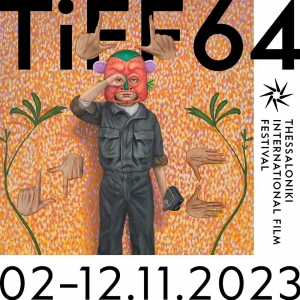
The 64th Thessaloniki International Film Festival will be held from November 2nd to November 12th 2023, both in physical spaces and online. A total of 270 full-length and short films will be screened at the 64th TIFF, in the movie theaters Olympion and Pavlos Zannas (Aristotelous Square), Frida Liappa, Tonia Marketaki, John Cassavetes and Stavros Tornes (Port of Thessaloniki) and Makedonikon. In addition, 79 films will be available online, through the Festival’s platform online.filmfestival.gr. 

Download the TIFF 64 A to Z catalogue HERE

Download the schedule for the physical screenings HERE

Download the schedule for the online screenings HERE

More

Ouziel Complex: A nostalgic touch from Thessaloniki of the past

Published in Hidden gems

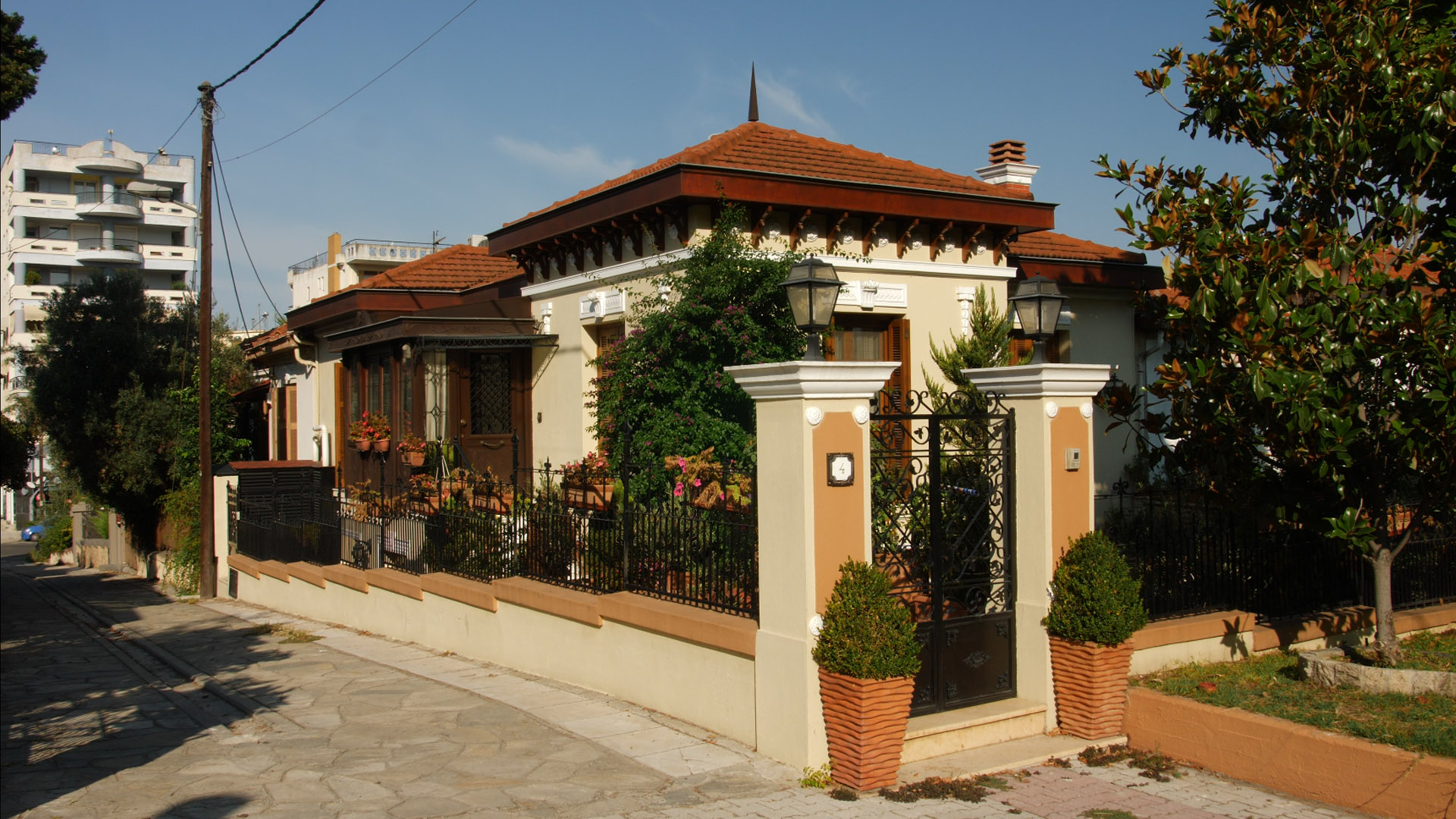
Not far from the city center, on its eastern side, between Villa Alatini (which today houses services of the Region of Central Macedonia) and Villa Morpurgo, there is something we did not expect to find in a big city. A neighborhood of old single-family houses, beautiful but spare. They all look alike, and all have tiled roofs and elegant wooden windows. Cobbled streets, climbing plants, rose yards and arbors complete the doll picture. Almost all appear to be inhabited or relatively recently inhabited, dilapidated no more than 1-2 houses.

The small settlement of 28 single-family houses built in 1927 was the inspiration of the contractor David Uziel, who was one of the main shareholders of the Thessaloniki Railway Company (the tram). Uziel collaborated with the important architect Jacques Moshe. The Uziel district is not the best-known creation of Jacques Moshe in Thessaloniki. His own design is the Olympian in Aristotelous Square, as well as the Olympos-Naoussa restaurant on the old beach (which was recently renovated and is reopening).

The gaze of the passers-by stays on the extravagantly beautiful single-family houses with their yards sown with rose bushes and climbing plants on pergolas, mandarin trees loaded with mandarin oranges, ferforge furniture and an aesthetic that exudes something from an era full of sweet memories.

OUZIEL 3

Uziel – or Exoches - was declared a conservation area in the 1980s.

Today, historic buildings are far outnumbered by modern apartment blocks, but the storied few that remain are central to the culture of the city.

The Villa Allatini (Vitaliano Poselli, 1898), once the elegant prison of Abdul Hamid II, is now a government building, while the Ouziel Complex (Jacques Moshé, 1925-1927) remains what it’s always been, a collection of charming private homes. The Casa Bianca (Pierro Arrigoni, 1912-13), home to Thessaloniki’s favorite love story, was rescued from near ruin and is now the splendid home of the Municipal Art Gallery, while the Cultural Foundation of the National Bank of Greece has beautifully restored the Villa of Mehmet Kapandji (Pierro Arrigoni, 1893). The Villa Modiano (Eli Modiano, 1906) is currently home to the Folk Life and Ethnological Museum of Macedonia and Thrace.

The Geni Tzami (Vitaliano Poselli, 1902), the mosque of the Ma’min community, housed the archaeological museum for years. It’s now a cultural space, under the auspices of the Municipal Art Gallery. The Exoches was a sociable district, and it still is: there are fine cafés in the gardens of the Villa Modiano and the Casa Bianca, as well as at the Epavli Marokkou by the Villa Chatzilazarou, and at the former Villa Michailidi, near the Geni Tzami. Belle Epoque glamour hasn’t vanished from the Exoches, and it’s doubtful that history has finished with this area yet, either.

More

On board experiences at Thermaic Gulf

Published in Sea and sun

Prepare for a journey into a world of wonderful new discoveries from relaxing pursuits and enriching activities, entertainment, gourmet local tasting and exploring new landscapes that you can only experience on board.

Looking to plan the ultimate family vacation, an experience that your friends will never forget or a romantic shelter for a couple? Are you thinking of escaping for a day, watch the sunset enjoying fine dining or to plan an outside of the box business meeting? Get ready for an unforgettable experience that you will be talking about in the years to come.

Whatever your needs,  DBE Luxury Cruises team will help you organize what you were dreaming of ! Live the luxury and the magic of your summer vacations with a yacht, travel with style and comfort, enjoy uncompromising privacy on board, discover places, swim in the blue seas of Greece, enjoy the sun and the people you cherish.

Starting from Thessaloniki you can set a cruise to any destination… You can leave the rest to us!

You will find them at the Kalamaria Marina (Aretsou) in Thessaloniki.

Take a look to the recommended offers and book now your best experience ever!

  • Sunset 2.5hrs private cruise to Thermaikos “Riviera”. (Peraia, Neoi Epivates, Ayia Trias, Aggelohori Fortress) Price starts from 500€
  • Full time 6-10hrs day cruise to Halkidikis’ Peninsulas (Kassandra –Sani, or Sithonia-Porto Carras, or Athos- Agio Oros Holy Mountain. (duration depends on final destination and stopovers) Price starts from 1200€
  • Full time 6-8hrs day cruise to Katerini- Litohoro ‘s Port crossing the Olympic Riviera, a continuous coat line at the foot of Mount Olympus world known as the Mountain of Gods from the ancient Greek mythology. Price starts from 1200€
  • Spend an unforgettable weekend at Thessalian Sporades, a group of 24 Greek islands in the northwest Aegean Sea! Price starts from 2500€
  • Enjoy a Wine & brunch 3hrs semi-private cruise (Peraia, Neoi Epivates, Ayia Trias, Aggelohori Fortress) Price starts from 120€/per person *
More

Lagoon of Angelochori: An undiscovered destination with a unique wetland

Published in Getaways

Looking for an easy day trip, just outside Thessaloniki? Look no further than Angelochori Lagoon!

This unique wetland of Northern Greece belongs to the officially protected sites of the Natura 2000 network, having the peculiarity of combining different habitat types. It offers the possibility of an easy day trip just outside Thessaloniki.

At a distance of 30 km from Thessaloniki, Angelochori is a seaside village with a history dating back to the years of Turkish occupation. Up until 1927 it was known by its Turkish name of Sofoular. Because of its salt ponds, connected to the lagoon, it was a centre of salt production as early as 1902, which until the 1970s was exported with axes and shovels and then transported by horseback.


The lagoon and its wetland

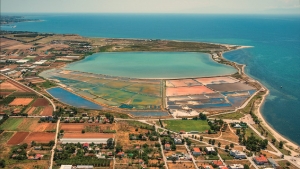
The lagoon is located 1 km southwest of the village. It is joined by salt marshes and separated from the sea (Thermaikos Gulf) by a narrow, sandy strip of coastline. The depth is very shallow and there is a rich flora around it, with reeds, sea lilies, rushes and asphodel.

Its importance is due to its function as a migration station and as a feeding ground for a large number of water and wading birds. Thanks to their populations, the Angelochori lagoon offers unique images. The flamingo populations, for example, provide an impressive sight, especially in winter, when the largest concentrations of flamingos are usually recorded. However, it is also worth knowing about 178 or so species of birds that live in or pass through the area, so keep an eye out for the water swallow, steelhead, reed warbler, avocet and chickadee.

Apart from the birds, the lagoon hosts other species of life, of particular interest to the observant visitor. Despite its shallow depth, for example, at least 12 different fish live there, including rare species such as the Zacharias and the Tainiosakorafa. Note also that the seabed is covered with meadows of the protected species Poseidonia oceanica - a marine flamingo endemic to the Mediterranean - which is home to the striking bivalve molluscs known as pina, which are at a critical point of extinction. Fishing for them is therefore strictly prohibited.

On the shores of the lagoon, you can see rabbitfish (small ground squirrels), badgers and porcupines, as well as species protected by the European Union such as the green toad and the Asclepius's lamprey. Which may be intimidating being a 2m snake, it is nevertheless harmless, non-venomous and clearly impressive as one of the largest in all of Europe. Also keep an eye out for the rare bobcat, which is on Greece's Red Book of Endangered Animals and protected by international conventions.


Other attractions in Angelochori

Besides its impressive landscapes and unique flora and fauna, the lagoon is famous for its salt pans, as well as for its famous preserved lighthouse and the Austro-Ottoman castle.


The salt pans

They are located in the northern part of the lagoon and, although artificial, they are fully in harmony with the natural landscape that surrounds them. They also contribute to the protected ecosystem, both by supplying water to the surrounding area and by maintaining marine life in the lagoon itself.

The Keeper's House was built in the 1950s as a protection measure against those who stole salt from the salt marshes. Since 1992 (when it was abandoned) it has provided a special attraction from which one can look out over the entire wetland. Today the building belongs to the Municipality of Thermaikos and is under the auspices of the Cultural & Educational Association of Angelochori, which has also used it for cultural events.


The lighthouse

Made of solid cinder blocks, like the chimneys of the industrial buildings of the 19th century, it stands on the cape of Megalo Karambournou (meaning "piston" in Turkish) and is one of the 27 lighthouses of the Greek territory that has been declared a listed monument of Modern Industrial Heritage.

The lighthouse was built in 1864 by a specialized company of French interests, at the request of the Ottoman Empire, which wanted to take advantage of the technological progress of the time to enhance navigation to and from the Thermaikos. The structure is 10,5 metres high from the ground and 32 metres above sea level. The flashes are white and red in colour and emit every 10 seconds, being discernible over a long distance (up to 17 nautical miles for the white ones).

In its first historical phase, the lighthouse used oil. During the Second World War it suffered several disasters, resulting in its closure, only to reopen repaired and automated in 1948, now operating on acetylene. In 1963 the switch from acetylene to electricity was made, increasing the range of its signal to its current levels.


The Austro-Ottoman castle

It was built in the period 1883-1885, almost next to the (pre-existing) lighthouse, by engineers who came to Angelochori from the Austro-Hungarian Empire on the order of the Ottoman authorities.

The latter considered that the point was of great strategic importance, both for the control of Thermaikos and for traffic to and from Thessaloniki, so they decided that a strong fortress had to be built. It came under the control of the Greek state in 1915, but it remained unused and thus often over the years fell victim to looting for free building materials.

Next to the castle, the bunker which was built by the Germans in 1940, when they occupied the area during the Second World War, is preserved today. It is open to visitors, except for the underground tunnels connecting the installations and the openings, which are forbidden to enter for security reasons.

More

50+1 Stories from the Costakis Collection at MOMus-Museum of Modern Art

Published in Arts & Culture

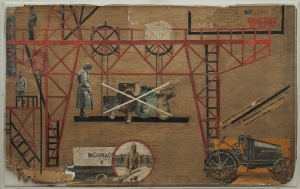
What common thread could be linking Rosa Luxemburg, Jackson Pollock, Vasily Kandinsky, Leon Trotsky, Oscar Wilde and Yoko Ono with visual artists active in early 20th century Russia, such as Kazimir Malevich, Liubov Popova, Solomon Nikitin and Vladimir Tatlin? How did an art exhibition that was held one hundred years ago instigate such heated confrontations between participating artists, and how did a rare edition end up printed in the form of a wallpaper? How did a work of art end up going through... an X-ray in a public hospital? 

The answers to these and many more questions can be discovered by the public in the 50+1 stories presented in this exhibition, hosted from 08 June until 12 November 2023 at Thessaloniki’s MOMus-Museum of Modern Art, in Moni Lazariston (the exhibition will open on Thursday 08 June 2023, at 19:00).

More than one hundred works of art and archival material from the Museum's renowned Costakis Collection will serve as the basis for the narratives and journeys presented to visitors, functioning in parallel and complementary to the stories that accompany them. 

Almost the entire line-up of artists included in the Costakis collection are represented in this exhibition, together with all the various art trends and groups from early 20th century Russian avant-garde, in an equal and complementary concurrence of artworks and texts. The narrative has a fairly anecdotal character and is enriched by the unabridged, original recollections of collector George Costakis, which function as the common thread.

Across both floors of the venue in Moni Lazariston, visitors will be able to see an entire era unfolding before their eyes: the period’s artistic pursuits, the travels and personal stories – that include both heated conflicts and deep friendships-, the limitless creativity and inventive experimentation of the artists, as well as the social, artistic, philosophical, scientific and literary turmoil of the era. Additional narratives describe the establishment of schools of art, the plans for the radical renovation of buildings and the construction of monuments, plans that never came to fruition; they present work uniforms meant to change the lives of workers; they recount instances of heavy-handed censorship that would often reach a tragic conclusion for the artists; and they follow the artists’ innermost intellectual quests and journeys and their challenging conclusions. And much more. 

We are not dealing here with isolated stories from the era that has gone down in art history as the Russian avant-garde. Besides, this era was never a coherent, unified movement. It was also a period that was rescued -literally- from oblivion thanks to the efforts of George Costakis. On the contrary, the exhibition reveals hitherto unknown aspects of the period to the general public, aspiring to become a landmark in the treatment, study, approach and promotion of MOMus’s Costakis collection.

The exact dates of the guided tours and parallel activities will be announced shortly.


Curated by

Angeliki Charistou, art historian, head of the Costakis collection and archive, MOMus-Museum of Modern Art-Costakis Collection

Scientific supervisor

Maria Tsantsanoglou, art historian, director MOMus-Museum of Modern Art-Costakis Collection

Artists

Vasilii Bobrov, Varvara Bubnova, Vasilii Chekrygin, Aleksandr Drevin, Boris Ender, Aleksandra Exter, Pavel Filonov, Natalia Goncharova, Elena Guro, Ivan Kliun, Gustav Klucis, Aleksei Kruchenykh Ivan Kudriashev, Mikhail Larionov, Aristarkh Lentulov, El Lissitzky, Kazimir Malevich, Mikhail Matiushin, Vladimir Mayakovsky, Aleksei Morgunov, Solomon Nikritin, Liubov Popova, Kliment Redko, Aleksandr Rodchenko, Olga Rozanova, Vsevolod Sulimo-Samuilo, Vladimir Tatlin, Nadezhda Udaltsova

More

Heptapyrgion Festival | 21 June – 19 July

Published in Events

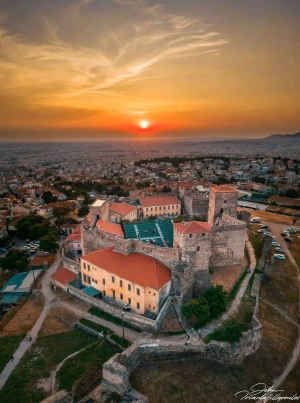
Heptapyrgion Festival, a big celebration of Culture with music performances, theatrical narrations and poetry was “born” in Thessaloniki in 2019 on the initiative of the Cultural Center of the Regional Government of Central Macedonia in collaboration with the Ephorate of Antiquities of the City of Thessaloniki. Heptapyrgion Festival is under the auspices of UNESCO and takes place at the inner courtyard of Heptapyrgion fortress.

During this year's Festival that will take place from Wednesday 21 June to Wednesday 19 July, 12 performances, including 6 major productions, will be held.


Program


June 28- 29, 21:15: An evening of poetry and music, Anna Mykoniou - Odysseus Elytis "With Greek light"

Two evenings of poetry and music, signed by Anna Mykoniou , dedicated to the Nobel Prize winning poet Odysseus Elytis . Through narrative texts, excerpts, poems set to music and visual material, it presents the bright side of the poetry of Odysseus Elytis, the one that is read with the senses and with the eyes of the soul.


July 3-4, 21:15: "Tonight... We're JAZZING"

Three subversive artists of the new generation, Thodoris Marantinis, Eurydiki and Myronas Stratis "jazz" with the New Thermi Saxophone Orchestra, conveying explosive vibes with their experimentation and creating a unique atmosphere. With an innovative repertoire, for the jazz scenes, where the best-known songs of the rock repertoire will be orchestrated for a big band in jazz and swing rhythms, presenting a heretical approach to their musical history. Favorite sounds of modern rock music will be reworked by Konstantinos Payatis for a band of 20 wind instruments, piano, drums and electric guitar, giving new freshness, but also illuminating musical points that we might not have noticed until now.


July 7, 21:15: “Kostas Matsigos, Guitar recital with 8 voices”

A magical evening where the virtuoso guitarist and teacher Kostas Matsigos will set up a repertoire that will include from artistic Greek sounds to well-known Argentine tango.

Kostas Matsigos, in his long artistic career, on a recording and concert level, has collaborated with great composers, lyricists, performers with the Symphony Orchestra of the Municipality of Thessaloniki as well as with the State Orchestra of Thessaloniki, in Greece and abroad. Great artists such as Stavros Kougioumtzis, Roland Dyens, George Dalaras, George Kazantzis, Nikos Papazoglou, Manolis Rasoulis, Antonis Kalogiannis, Vassilis Lekkas and others, have entrusted him with their songs, either as an arranger or as a guitar-bass and mandolin performer. He will share the stage with some of his closest associates and friends to perform their well-known songs together.


July 11-12, 21:15: “Maria Farandouri, 60 years of singing”

Maria Farantouri celebrates 60 years of stage presence at the iconic Heptapyrgion Fortress with a selection from her wide repertory. It was in 1963, at the Municipal Theatre of Peiraeus, that Mikis Theodorakis first heard her singing as a soloist -with the the choir of the Association of Friends of Greek Music- and decided that she would become his priestess and her voice would give life to his greatest works.

Soon, the interpreter of the great poets is associated with Manos Hadzidakis and the works he writes for her voice (The Age of Melissanthi, The Irrationals, Dark Mother, Amorgos), Manos Loizos (The Negro Songs), Eleni Karaindrou (The Great Vigil), Zülfü Livaneli, Lucio Dalla, Vangelis Papathanasiou, Lena Platonos and other composers, Greek and foreign. Maria Farantouri will sing songs from the above cycles and other albums.


July 18-19, 21:15: "Dimitris Zervoudakis – Blocked in Thessaloniki"

As part of the evening dedicated to Thessalonian Creators, this year the Eptapyrgio Festival honors the great composer and songwriter Dimitris Zervoudakis. Dimitris Zervoudakis signed several personal discographies: "A life in the same class" 1996, "Close your eyes and look" 1998, "Full moon country" 2001, "Low and high" 2006, "How to breathe" 2010, "The breath of the madman" 2020, endless participations in the works of other creators and has given us some of the most beloved artistic songs.

In the evening, the symphonic ensemble of strings Jovenata ensemble, (which is the ensemble in residence of the Municipal Conservatory of Pylaia-Hortiatis) and the folk music ensemble Prikipessa , as well as the Choirs "Mixed Choir of Thessaloniki" and "Choir of the Conservatory of Nikopolis" participate , apparently contradictory mosaics but which perfectly capture the special musical path of Dimitris Zervoudakis.


More

Thessaloniki street food: From brunch to lunchtime bites till nightlife

Published in Food & Drink

Thessaloniki, since its foundation in 315 BC., has always been a cosmopolitan center, a crossroad of people and cultures. And so is its gastronomy, a mixture of the traditions of all populations, that coexisted in the city, with the gastronomy of the Greek refugees from Asia Minor, who arrived in the city in the early 20th century.

Nowadays, Thessaloniki gathers of a multitude of cuisines from all over the world. A walk through the alleys of the city gives you countless possibilities and choices from Lebanese, Asian, Authentic Greek and Latin American cuisine.

Delicious street food options are made with passion and lots of love. Just because it' s street food doesn't necessarily mean it's sloppily made with no nutrients and loaded with calories. While walking down the streets of Thessaloniki you will be surprised to notice an abundance of delicious looking street food.

No visit to Thessaloniki is complete without trying bougatsa, the traditional cream-filled phyllo wrapped parcels sprinkled with icing sugar and cinnamon. In every corner of Thessaloniki, you will find “bougatsadika”- places that sell freshly made bougatsa- that usually work in the morning and serve delicious bougatsa.

Very few places make hand-stretched phyllo anymore, but Bantis does and it’s worth the trip a few blocks north of the center if you want to start your day just right with the best street food of Thessaloniki.

Nea Paralia, one of the most beautiful European landmarks, gives visitors the opportunity to enjoy desserts, cocktail drinks and fast food while combining dazzling views that soothe body and soul. Here you will find multi flavor ice cream, cotton candies, hot dogs and many more delicacies that will fill your stomach and mind with experiences.

There you can also find koulouri, the all-time favorite snack for Thessalonians. Whether you like it filled with raisins, multigrain, thin and crisp or chubby and chewy, be sure that you will find your favorite one from street vendors all over the promenade.

Greek pies, known as pites in Greek, is another option and perhaps the ultimate street food to kickstart your day throughout Greece, with many regional variations, both sweet and savory. You can get great pie anywhere in Greece, but especially in Thessaloniki, this particular street food comes directly from the people of Asia Minor who settled here in the 1920s and is known for its delicate yet tasty dough.

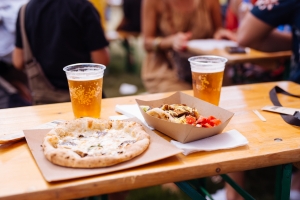
Souvlaki, gyros and tzatziki are of those words that immediately come to mind when you think about Greece, right? Thessaloniki is no exception when it comes to these delicacies!

Gyros is a dish made of meat, either pork or chicken, served wrapped in a pita or bread with French fries, tomatoes, onions and that delicious tzatziki sauce. Thessaloniki’s gyros are the most famous all-around Greece mainly because of the size and price. As you can imagine, our gyros are huge, cheap, but most importantly, delicious. On the other hand, souvlaki consisting of small pieces of meat, either pork or chicken is a “healthier” version of street food – or maybe not!

Besides the classics, the good thing about Thessaloniki is the fact that everyone can find options for their cravings, without excluding groups with special preferences. There are options that combine oriental cuisine with a veganism mentality. Demanding vegetarian trends in fast food genre can be found a few steps away from you in salads with lentils, chickpeas, quinoa, avocado, falafel salads that satisfy and satiate even the most difficult food enthusiasts.

We’ve said it before, and we’ll say it again, but only because it’s true: Thessaloniki is a marvelous city, and its street food definitely lives up to its name. There is an atmosphere that offers you a landscape in which you can gaze at the endless sea horizon while enjoying your food. Savor every bite!

More
Subscribe to this RSS feed

#visitthessaloniki