pinelopi

pinelopi

The Subway to Antiquity: Exploring the "Thessalonikeon Metropolis" Museum
Published in Arts & Culture

When the Thessaloniki Metro officially opened, it didn't just transform how we move around the city—it completely reshaped how we look at its history. Over 300,000 ancient artifacts were uncovered during decades of underground digging.

While you can see spectacular historical remains integrated into central stops like Venizelos or Agia Sofia, the ultimate collection has been given a grand home of its own.

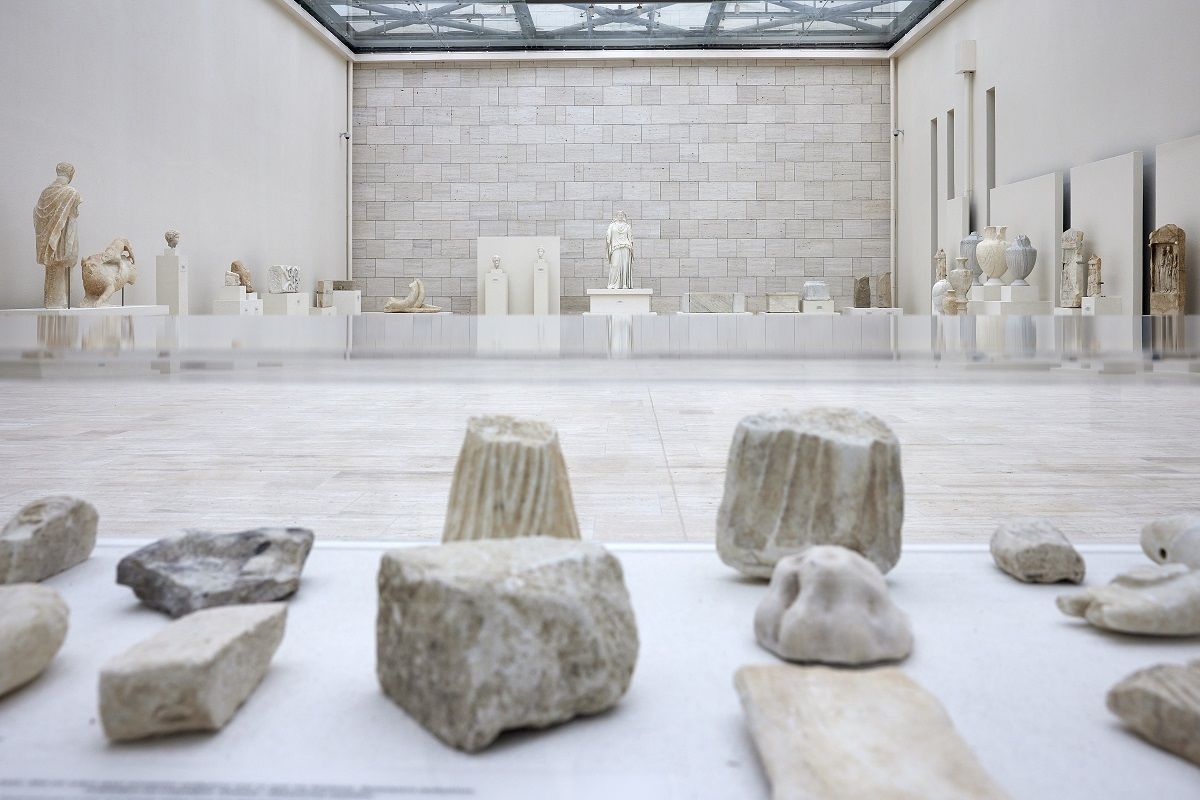
The brand-new "Thessalonikeon Metropolis" Museum of Metro Findings, tucked away in the western districts of the city, inside the lush green expanses of the Pavlos Melas Metropolitan Park (Stavroupoli) is a fantastic, air-conditioned haven where you can easily trade a scorching summer afternoon for a 2,300-year trip through time.

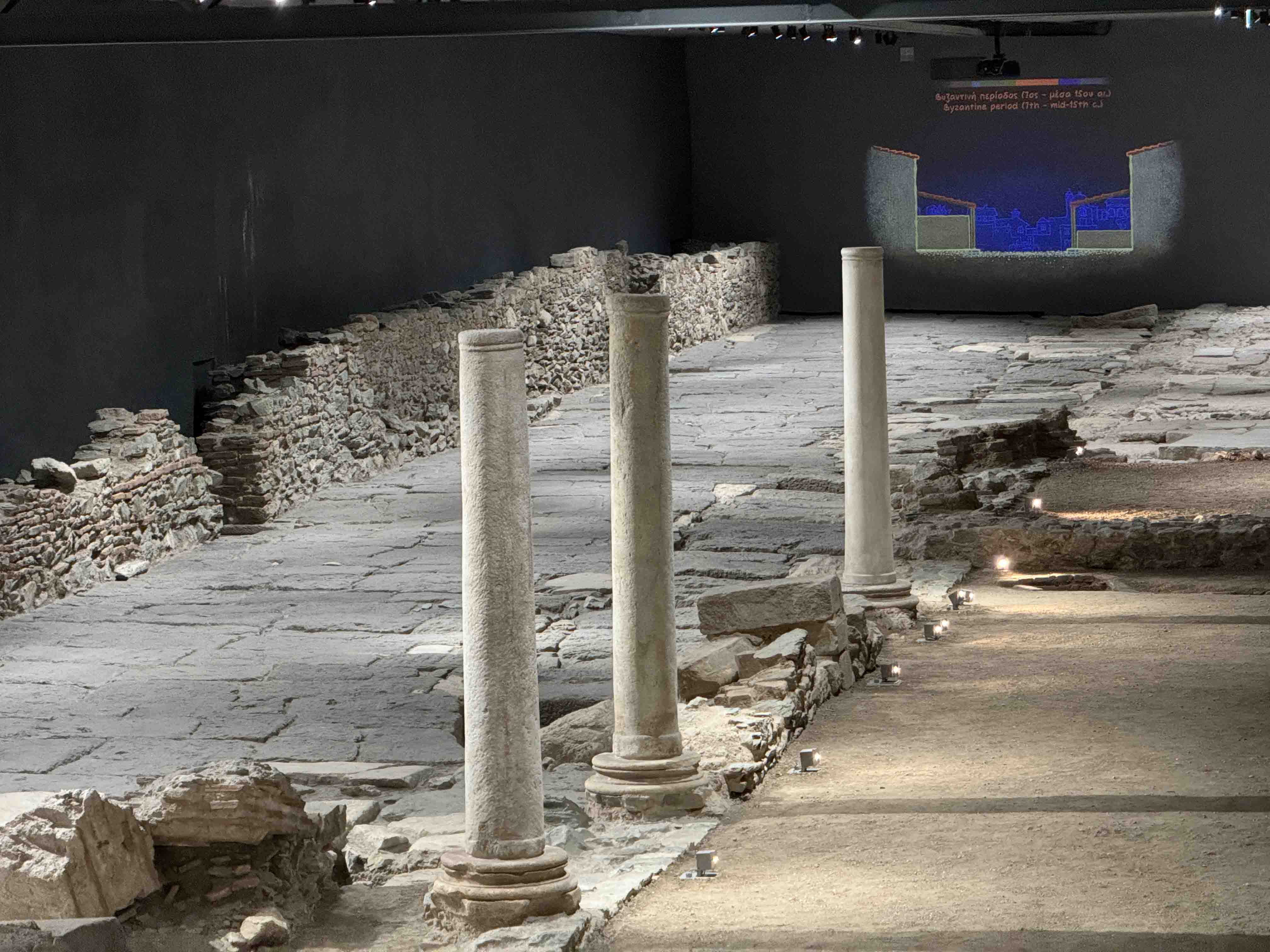
The museum is housed inside a meticulously restored, listed Ottoman-era military barracks known as Building A3, which dates back to around 1895. Step inside, and you’ll immediately feel the climate control drop to a blissful, cool temperature. The contrast is spectacular: you are walking through high-ceilinged, industrial-chic halls filled with state-of-the-art interactive displays. The exhibition is arranged beautifully across two floors, chronologically following a central "road axis" designed to mimic the actual metro line cutting through the city.

Because the collection covers everything from the city's foundation in 315 BC all the way to the Great Fire of 1917, there is a lot to take in. Here are the unmissable highlights to track down while you enjoy the AC:

  • The Golden Wreaths & Necropolis (Ground Floor): This area focuses on discoveries made outside the ancient city walls (from stations like Dimokratias and Sintrivani). Look out for the dazzling gold wreaths, intricate Hellenistic jewelry, and beautifully decorated larnakes (funerary boxes) found in the massive eastern and western cemeteries.
  • The Byzantine Market Loop (Upper Floor): This floor focuses on life inside the walls (mainly from Venizelos and Agia Sofia stations). You can walk along an abstract recreation of the ancient main road and look into display cases packed with items from daily life: pottery, thousands of bronze coins, clay toys, and tools from Byzantine workshops.
  • The Open-Air Archaeological Park: Once you’ve cooled down completely, step into the southern courtyard. Protected beneath a large glass canopy structure, archaeologists have reconstructed a massive, luxurious Late Antiquity Roman Villa—complete with hypocaust underground heating systems and stunning mosaic floors—originally unearthed at the Agia Sofia station site.

Know Before You Go 

  • How to get there: Since it’s in the western districts (Stavroupoli), you can easily catch a local bus from the center. Take Bus 27, 34, or 38 and hop off at the Tachydromeio stop, right by the park entrance.
  • Opening Hours: The museum operates daily from 08:30 to 15:30
More

Summer Festival 2026 at the Garden Theater of Thessaloniki

Published in Events

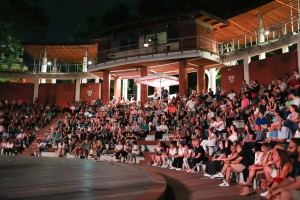
The 2026 Summer Festival of the Municipality of Thessaloniki returns to the Open Municipal Garden Theater, transforming the city center into an open cultural stage.

Featuring 50 artistic productions—including concerts, theatrical plays, children's shows, stand-up comedy, and musical tributes—this year’s program offers dozens of reasons to enjoy summer nights under the starry sky. It is a multi-genre festival for all ages, bringing together beloved artists and major theatrical productions to keep the cultural pulse of Thessaloniki alive all summer long.

Detailed Festival Program 2026

June 2026

  • Wed 03/06 (21:00) | Music: Stavros Kougioumtzis – In This City (Featuring Andreas Karakotas & Violeta Ikari)
  • Fri 05/06 (21:30) | Comedy/Music: Diogenis Daskalou, Monie & Monie Coniente: The fly worm became a butterfly
  • Sat 06/06 (21:00) | Music: Dimitris Starovas & Starovas Band + Friends
  • Wed 10/06 (21:00) | Music: Giorgos Hatzinasios - Stefanos Korkolis & Band
  • Tue 16/06 (21:00) | Music: Anser – "Anadysi" Album Presentation ft. Eversor
  • Wed 17/06 (21:00) | Music: Kostis Maraveyas
  • Thu 18/06 (21:00) | Music: Lila – "Welcome to L world"
  • Fri 19/06 (21:00) | Music: 20 Years of Mani
  • Sat 20/06 (21:00) | Music: Mora sti Fotia & Panx Romana
  • Sun 21/06 (21:00) | Music: Kostas Tournas & Dionysis Tsaknis (Greek Rock tribute)
  • Mon 22/06 (21:00) | Music: Konstantis Pistiolis
  • Wed 24/06 (21:00) | Music: Thessaloniki Municipal Symphony Orchestra
  • Thu 25/06 (21:30) | Stand-up: "15 Years of Mikeius" Anniversary Show
  • Fri 26/06 (21:00) | Stand-up: "And what was I saying" with Chrysa Katsarini
  • Sat 27/06 (21:00) | Kids' Theatre: A Child Counts the Stars (Ένα παιδί μετράει τ' άστρα)
  • Sun 28/06 (21:30) | Theatre: Eighteen of the Ninth (Δεκαοχτώ ενάτου)
  • Mon 29/06 (21:30) | Music: "A Night of Queen" with The Bohemians
  • Tue 30/06 (21:00) | Music: The Café Aman of Constantinople and Smyrna

July 2026

  • Wed 01/07 (21:00) | Music: Stavros Siolas – Garden Celebration
  • Thu 02/07 & Fri 03/07 (21:15) | Theatre: Vodka Molotov (Adapted by Eleni Rantou)
  • Mon 06/07 & Tue 07/07 (20:45) | Kids' Theatre: The Wizard of Oz
  • Wed 08/07, Thu 09/07 & Fri 10/07 (21:30) | Theatre: The Tsekme Family (by Tolis Papadimitriou)
  • Mon 13/07 (20:30) | Kids' Theatre: Maya the Bee
  • Tue 14/07 (21:00) | Music: StaMatia (In the Eyes) – Opera & Crossover Highlights
  • Wed 15/07, Thu 16/07 & Fri 17/07 (21:30) | Theatre: I Want to Hold Your Hand (with Tasos Iordanidis & Thaleia Matika)
  • Mon 20/07 & Tue 21/07 (21:15) | Kids' Theatre: Arsène Lupin: The Mystery of the Hollow Needle
  • Wed 22/07 & Thu 23/07 (21:15) | Theatre: The Prostitute Upstairs (with Katerina Didaskalou)
  • Mon 27/07, Tue 28/07 & Wed 29/07 (21:00) | Theatre: He Who Saves Himself Shall Be Saved
  • Thu 30/07 (20:30) | Kids' Theatre: Masha and the Bear: A Great Celebration

August 2026

  • Tue 25/08 (21:00) | Music: Mirela Pachou - Adam Tsarouchis: The Cinematic Songs
  • Wed 26/08 & Thu 27/08 (21:00) | Kids' Theatre: The Game of Joy (by Carmen Ruggeri's Children's Stage)
  • Fri 28/08 & Sat 29/08 (21:00) | Theatre: Alekos Came Out of Paradise
  • Sun 30/08 (21:30) | Musical Theatre: Pagan at the Garden Theatre
  • Mon 31/08 (21:00) | Stand-up: Nikolas Fragkioudakis: Cosmic Love

September 2026

  • Tue 01/09 (20:45) | Kids' Theatre: Tight Shoes (by Georges Sari)
  • Wed 02/09 & Thu 03/09 (20:30) | Theatre: Blood Wedding (by Federico García Lorca - Thessalian Theatre)
  • Fri 04/09 (21:00) | Music: Sofia Manousaki
  • Sat 05/09 (20:30) | Kids' Theatre: Odyssevach (by Xenia Kalogeropoulou)
  • Sun 06/09 (21:00) | Music: Street Outdoors
  • Thu 10/09 & Fri 11/09 (21:00) | Theatre: "Ah Laos" (Ah, People) – Evripidis & Dimitris Lagios
  • Mon 14/09 to Sun 20/09 | Music: Radikal Fiesta (Concert series showcasing alternative and indie music sounds)
  • Mon 21/09 (20:30) | Music: Fortissimo String Quartet Night
  • Tue 22/09 & Wed 23/09 (21:15) | Theatre: Visiting Mr. Green (with Giorgos Konstantinou & Thanasis Patriarcheas)

More information: https://e-thessalonikiculture.gr/ 

More

Beat the heat: The best free & Cool escapes in Thessaloniki

Published in Tips

Summer in Thessaloniki is absolutely gorgeous, but anyone who has spent a July or August afternoon in the city center knows that the Mediterranean sun does not mess around. Instead of retreating to your hotel room, the city hides several brilliant, cool, and completely free indoor and shaded oases.

Here are the best spots to lower your body temperature while still soaking in Thessaloniki’s rich culture, history, and architecture.

Venizelos Metro Station: An Underground, Chilled Museum

If you need immediate rescue from the heat, the solution lies 20 meters beneath the earth. Venizelos Metro Station is a world-class architectural and archaeological marvel, equipped with top-tier climate control. As you descend the escalators, the temperature drops instantly. You’ll find yourself standing right in front of an incredible sight: the authentic, monumental 4th-century Roman highway (Decumanus Maximus), which was unearthed during construction and preserved completely intact.

The Travel Tip: You can wander through the archaeological exhibition level completely free of charge, without needing to buy or validate a train ticket for the platforms.

μετρο

The Atrium of the Archaeological Museum & The Byzantine Foyer

While entering the main exhibition halls of Thessaloniki’s major museums requires a ticket, their massive reception lobbies, gift shops, and cafes are freely accessible.

The Archaeological Museum of Thessaloniki features a magnificent, breezy foyer with striking minimalist architecture where you can sit on cool indoor benches and browse through history books. Right next door, the Museum of Byzantine Culture boasts a gorgeous, shaded brick atrium and a highly air-conditioned entrance hall. Both are perfect, crowd-free rest stops before you cross over into the nearby parks.

The Thessaloniki Concert Hall (M2 Building): Sea Views from the Shade

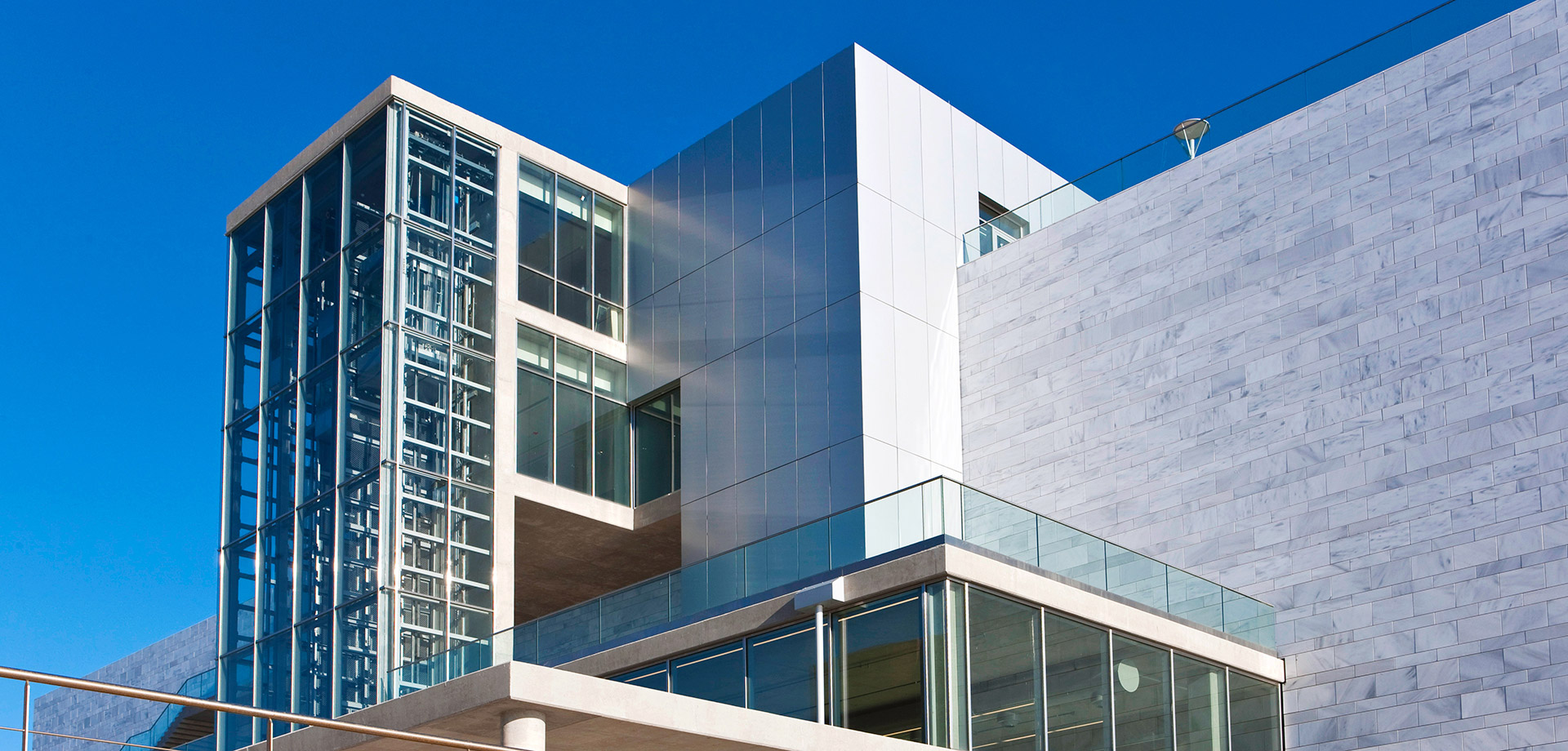
If you are walking along the Nea Paralia boardwalk and feel the midday sun getting the best of you, keep walking until you reach the very end of the promenade. There, rising right from the water, is the Thessaloniki Concert Hall. The newer building (M2), designed by the legendary Japanese architect Arata Isozaki, is a geometric masterpiece made of glass. The interior is perpetually chilled, and the vast open atrium allows you to gaze out at the sea and Mount Olympus while completely protected behind UV-filtered glass that keeps the heat out.

tch


Take the Boat to the Beach (45 Mins Away!)

If the city streets still feel a bit too hot, do what locals do to experience the ultimate summer breeze: head down to the waterfront right next to the White Tower or the Port and hop on one of the traditional commuter boats that run daily water routes across the Thermaic Gulf, offering a beautiful 45-minute scenic boat ride with panoramic views of the Thessaloniki skyline. The boats will drop you off right on the shores of Peraia Beach or Neoi Epivates Beach. There, you can spend the afternoon swimming in the sea, walking along the sand, and dining at seaside fish tavernas with your feet literally in the water.

Don't let the summer sun lock you indoors. Keep your water bottle filled, use these clever, free havens to cool down, and experience Thessaloniki the way the locals do... halara (comfortably and relaxed)!

More

Beneath the Altar: The Crypt of Agios Demetrios

Published in Hidden gems

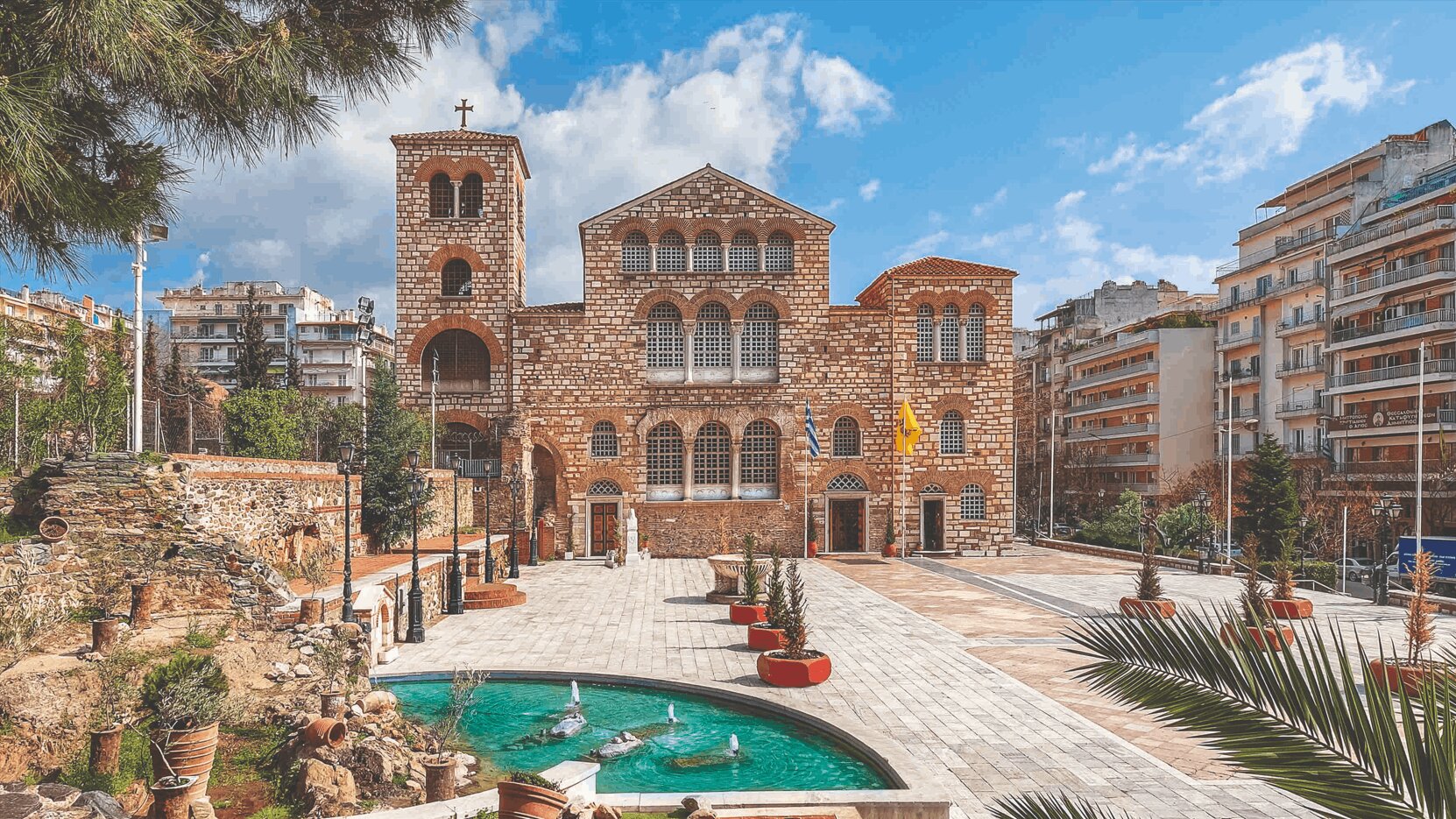
If you’ve spent even a single day exploring Thessaloniki, you’ve probably stood in awe inside the Church of Agios Demetrios. It is the majestic heart of the city—bright, expansive, echoing with soft hymns, and beautifully adorned with intricate mosaics. But while hundreds of travelers walk its smooth marble floors every day, only a fraction notice the unassuming stone staircase tucked away to the right of the altar. If you take those steps downward, the sounds of the modern city fade into a heavy, reverent silence. You are entering the Crypt—a subterranean sanctuary frozen in time, where Thessaloniki’s Roman and Byzantine souls quietly intertwine.

The Secret History Beneath the Ash

For centuries, this underground world was completely lost to time. It wasn't until the tragic Great Fire of 1917, which devastated much of Thessaloniki and severely damaged the upper church, that the earth gave way to reveal this incredible archeological treasure. As archaeologists cleared the debris, they realized they weren’t just looking at a basement. They had uncovered a monumental 3rd-century Roman bathhouse complex. According to Christian tradition, it was inside these very Roman baths that Demetrios—a young Roman officer turned passionate Christian preacher—was secretly imprisoned by Emperor Galerius. In 303 AD, because of his refusal to renounce his faith, Demetrios was executed on this exact spot.

Wandering Through the Shadowy Corridors

Walking into the Crypt today feels like stepping onto an active archaeological dig site, but with the atmospheric lighting of a hidden museum. The space is a beautiful labyrinth of low brick arches, robust marble columns, and ancient stone water basins.

AUTO

As you explore, look closely for these three remarkable highlights:

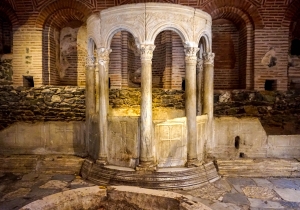
  1. The Marble Ciborium: In the heart of the crypt stands a circular marble structure supported by elegant pillars. This marks the traditional site where the saint was martyred.
  2. The Miraculous Fountain: During the Byzantine era, the ancient Roman water channels were adapted. The crypt became world-famous because a sweet-smelling, healing oil (known as myron) reportedly flowed from the saint's tomb into these basins. Faithful pilgrims from across the medieval world would travel thousands of miles just to collect a few drops in small glass flasks.
  3. The Hidden Museum: Displayed naturally along the ancient walls are fragments of sculptures, decorated column capitals, and clay vessels recovered from the ruins after the 1917 fire. They tell the story of a church that was built, destroyed, modified under Ottoman rule, and reborn again.

A Traveler's Tip: The crypt functions as a small museum and entry is completely free. Because it sits directly under a functioning house of worship, remember to dress respectfully (shoulders and knees covered) even when exploring the underground sections.

Why You Shouldn't Skip It

Thessaloniki is a city defined by layers. You see it when you look at Roman ruins framed by modern apartment buildings, or Byzantine walls bordering bustling cafes. But the Crypt of Agios Demetrios offers something rarer: a chance to step inside those layers. It is a peaceful, hauntingly beautiful refuge that reminds us that beneath the vibrant, coffee-loving metropolis we see today lies nearly two millennia of hidden stories waiting to be discovered.

How to find it: Head down the right side aisle of the main Church of Agios Demetrios, near the iconostasis (the screen of icons at the front). Look for the small sign pointing downstairs to the Crypt.

More

A Culinary Journey in Greece’s Food Capital with Taste Atlas

Published in Food & Drink

If there is one city in Greece whose name is synonymous with incredible food, vibrant street life, and unforgettable flavors, it’s Thessaloniki. It’s no coincidence that this gorgeous port city consistently ranks high on Taste Atlas charts and holds the proud title of Greece’s very first UNESCO City of Gastronomy.

In our latest video, we take you on a whirlwind tour through the lively streets, the scenic waterfront, and—most importantly—the bustling kitchens of Greece's cultural co-capital.

Hit play and get ready to satisfy your wanderlust (and your appetite)!


More

Vergina: A Journey into the Heart of Ancient Macedonia

Published in Getaways

Just over an hour from Thessaloniki, the quiet village of Vergina offers one of the most remarkable day trips in northern Greece—a destination where history, archaeology, and natural beauty come together in unforgettable fashion. Known in antiquity as Aigai, the first capital of the ancient Macedonian kingdom, Vergina is not simply a place to visit—it is a place to experience.

Vergina holds enormous significance in Greek and world history. It was here, in 1977, that archaeologist Manolis Andronikos uncovered the royal tombs of the Macedonian dynasty, including what is widely believed to be the tomb of King Philip II, father of Alexander the Great. This discovery transformed our understanding of ancient Macedonia and revealed treasures of astonishing craftsmanship—golden crowns, intricately decorated armor, ceremonial weapons, and the iconic Golden Larnax, emblazoned with the sixteen-rayed Sun of Vergina.

Today, Vergina is recognized as one of Greece’s most important archaeological destinations and a UNESCO World Heritage Site.

What to See

aigai museum prime minister twitter

The Museum of the Royal Tombs

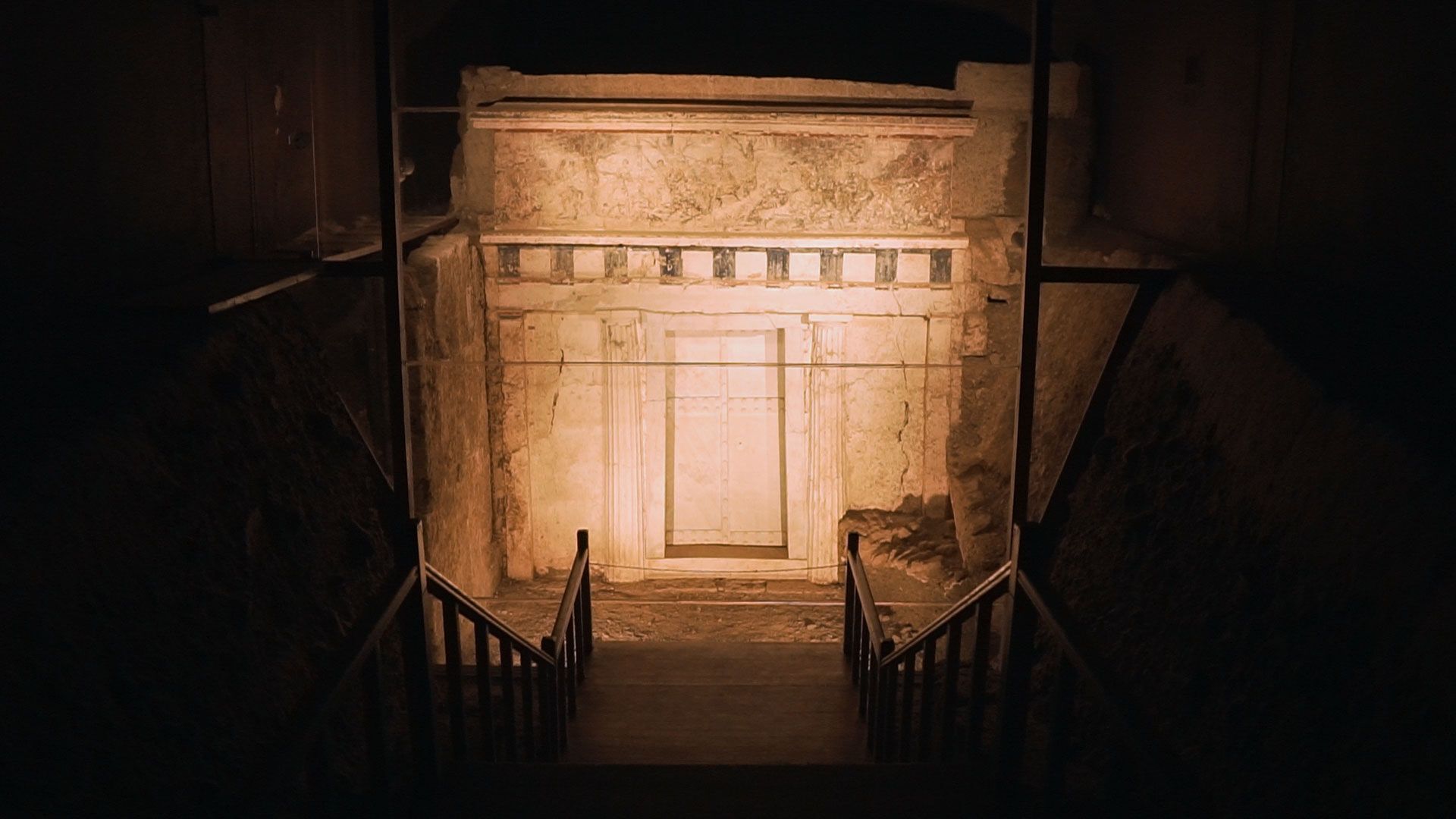
The highlight of any visit is the extraordinary underground museum, built around the royal burial mounds themselves. Entering feels like stepping into another era: dimly lit galleries, ancient tomb facades preserved exactly where they were discovered, and priceless artifacts displayed in dramatic fashion. It is one of the most impressive museum experiences in Greece—powerful, atmospheric, and deeply moving.

Unlike most museums where you walk into a building to see artifacts, here you descend into a Great Tumulus (an earthen mound). The museum is built underground to protect the tombs exactly where they were found.

The Tomb of Philip II: You will stand face-to-face with the actual facade of the tomb of Alexander the Great's father. It remains one of the few royal tombs found completely unlooted.


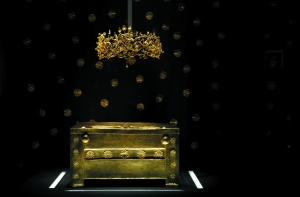
The Golden Larnax: Look for the heavy 24-carat gold chest containing the bones of Philip II, embossed with the Vergina Sun (the 16-rayed star).


The Golden Oak Wreath: Perhaps the most famous piece in the collection, this crown is so intricately crafted it looks like it could flutter in a breeze.


The Frescoes: The "Abduction of Persephone" is a rare example of ancient Greek painting that has survived with its colors still vivid.
The Polycentric Museum

The site is much larger than just the tombs. A single ticket (€20 in 2026) usually covers the entire "Polycentric Museum of Aigai":

The Palace of Aigai: Recently restored and reopened, this was once the largest building in classical Greece—three times the size of the Parthenon. This is where Alexander the Great was proclaimed King.

The Ancient Theater: Located right next to the palace, this is the tragic site where Philip II was assassinated in 336 BC.
The New Central Museum Building: A modern space that provides the broader context of the Macedonian world, housing thousands of artifacts from daily life.

What to Do

the tomb of philip ii in vergina

Take a guided tour
Vergina’s stories are what bring the ruins to life. A knowledgeable guide—or even a well-prepared audio guide—can turn stones and artifacts into vivid chapters of history.

Pair history with local wine
The surrounding region of Imathia is known for vineyards and excellent local wines. Many visitors combine Vergina with a stop at a nearby winery, making the day trip both cultural and culinary.

Enjoy traditional Macedonian cuisine
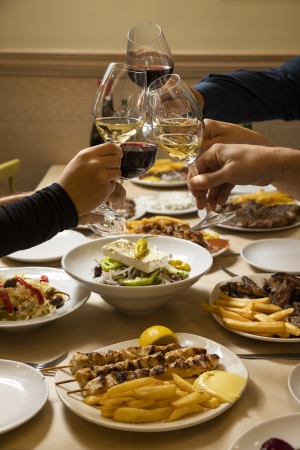
The tavernas in the area offer authentic northern Greek flavors: slow-cooked meats, seasonal pies, fresh salads, local cheeses, and regional wines. It’s the perfect way to round off your visit.

Explore the countryside
Vergina is surrounded by rolling hills, orchards, and scenic rural landscapes. Spring and autumn are especially beautiful seasons for a leisurely drive or walk.

More

Summer in the City: The Ultimate Guide to Thessaloniki’s 2026 Festival Season

Published in Lifestyle

Thessaloniki in the summer is an experience for all senses. While many travelers use the city as a pitstop on their way to the beaches of Halkidiki, those who stay behind are rewarded with a cultural calendar that is second to none.From industrial street food hubs to ancient fortresses and moonlit forests, here are the festivals you cannot miss in Thessaloniki this summer.

22nd Thessaloniki International Book Fair

2022 06 24

When: 07-10 May 2026
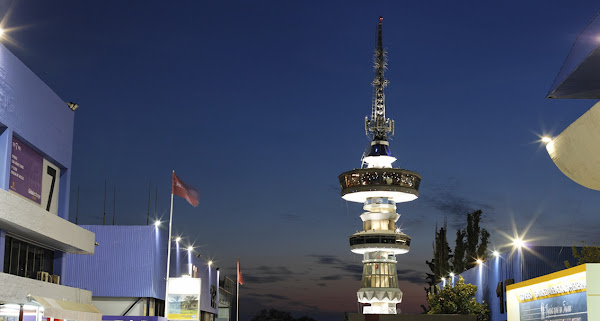
Where: TIF – HELEXPO
Learn more: https://thessalonikibookfair.gr/en/

Kickstarting the warm season, this is the most significant literary event in Greece. Whether you’re a bibliophile or just love the buzz of a global cultural meeting point, the Book Fair transforms the city center into a massive library. Expect international authors, poetry slams, and plenty of "book-hopping" between the pavilions. The programme brings together a wide range of events covering contemporary publishing and intellectual production. Book presentations, discussions, tributes and activities for different audiences compose a complete picture of the exhibition. Explore the sections and discover the events that interest you.


Thessaloniki Street Food Festival

TSFF Photo 13

When: 20-24 May 2026
Where: TIF - HELEXPO (Outdoor Area)
Learn more: https://www.facebook.com/events/869444585696641

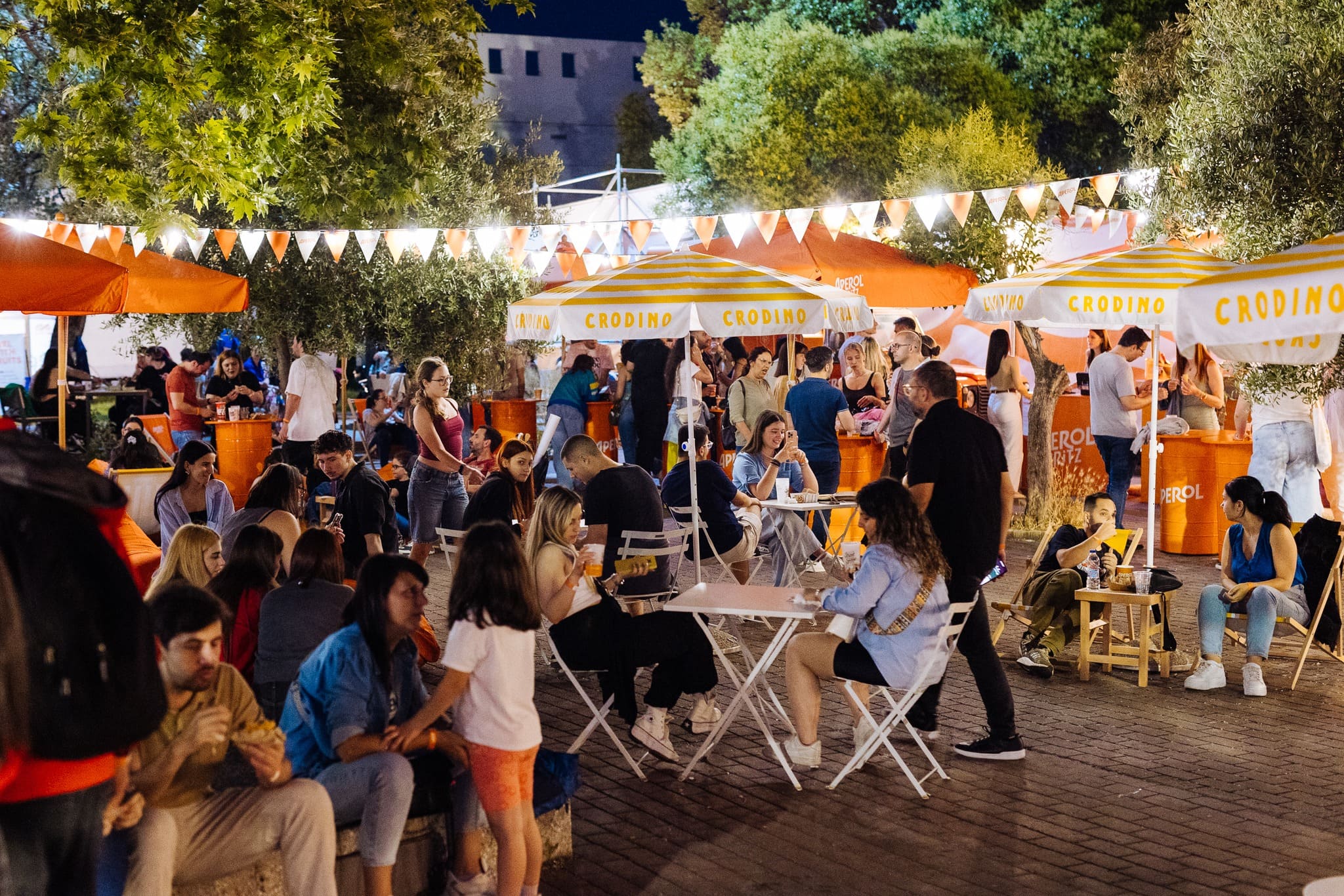
For one long weekend, the city’s best chefs and vendors gather to serve everything from traditional souvlaki with a twist to ethnic bao buns and artisanal churros. It’s loud, delicious, and the ultimate "cheat day" destination. From Wednesday to Sunday, May 20 – 24, the outdoor grounds of the TIF Helexpo will be converted into a massive, flavorful open-air market featuring culinary delights from all over the world.

For yet another year, set your taste buds free, let your senses take over, and don’t miss the chance to be part of this unique and irresistible experience. For 9 years, this festival has been a vibrant heartbeat for Thessaloniki’s cultural and social scene—a true celebration of flavor and culture for thousands of visitors to enjoy


Moni Lazariston Festival

moni lazariston

When: June – July 2026
Where: Moni Lazariston
Learn more: https://monilazariston.gr/ekdiloseis/

Set in the courtyard of a historic former monastery, this festival is famous for its eclectic vibe. It hosts legendary Greek musicians, international indie acts, and theatrical performances. The acoustics are fantastic, and the setting—a blend of 19th-century architecture and modern lighting—is nothing short of magical


Eptapyrgion Festival

eptapirgiou

When: June – July 2026
Where: Heptapyrgion Fortress
Learn more: https://kepo.gr/festival/

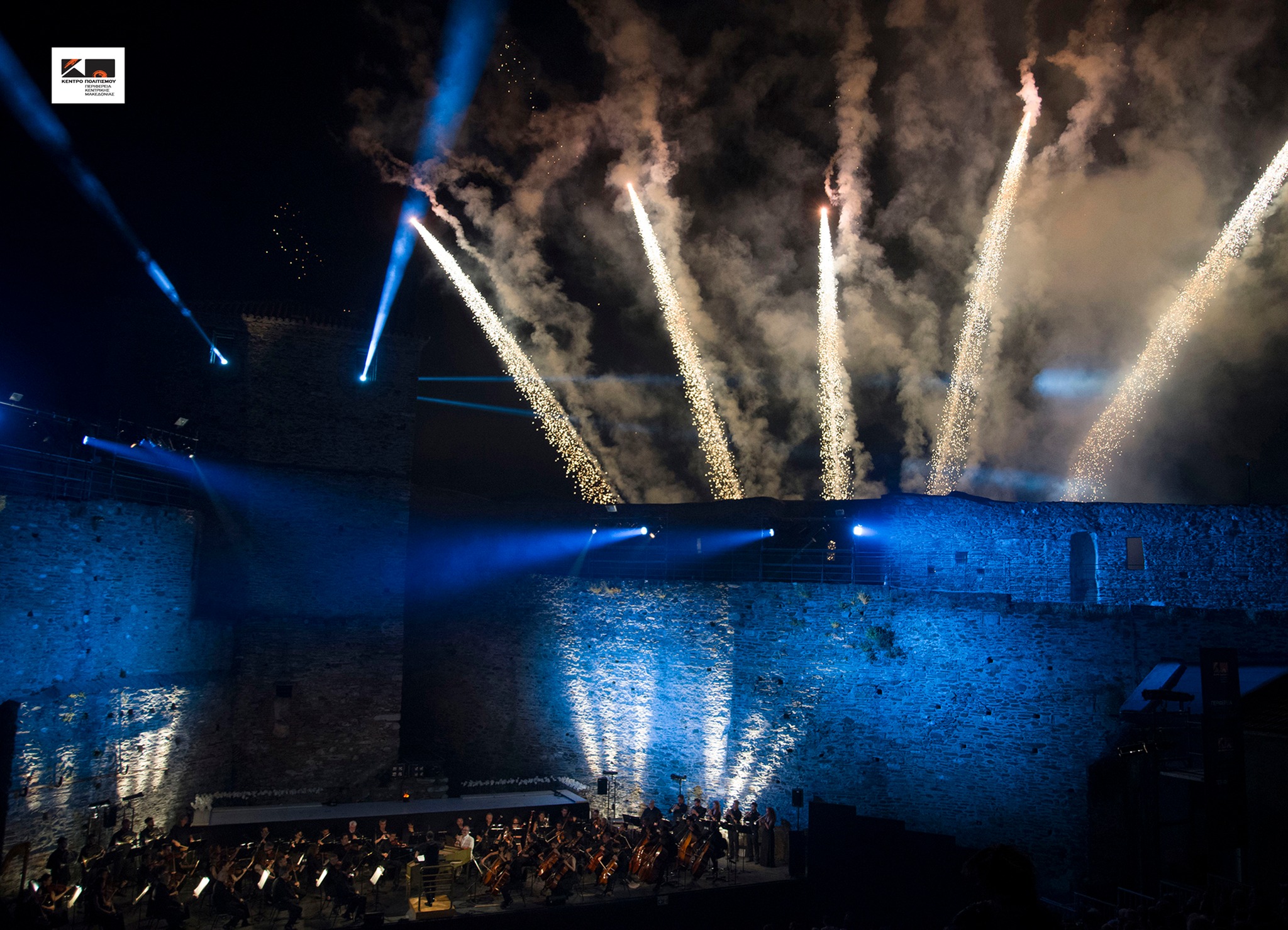
Thessaloniki’s imposing landmark opens its gates to the public on June 17, and for an entire month, the festival "amplifies" creativity by showcasing original productions and giving a platform to both established and emerging artists. With deep respect for the monument and a vision for a culture that unites, the Eptapyrgio Festival 2026 promises a program designed to move, inspire, and linger in the memory of every attendee. The lineup features 7 major productions, 16 individual events and 330 artists performing on stage.


International Forest Festival (Festival Dasous)

Festival Dasous Theatro Dasous 940x549

When: June – August 2026
Where: Forest Theater (Theatro Dasous)
Learn more: https://www.ntng.gr/en/1-performances/31/current-productions/14502/12th-forest-festival  

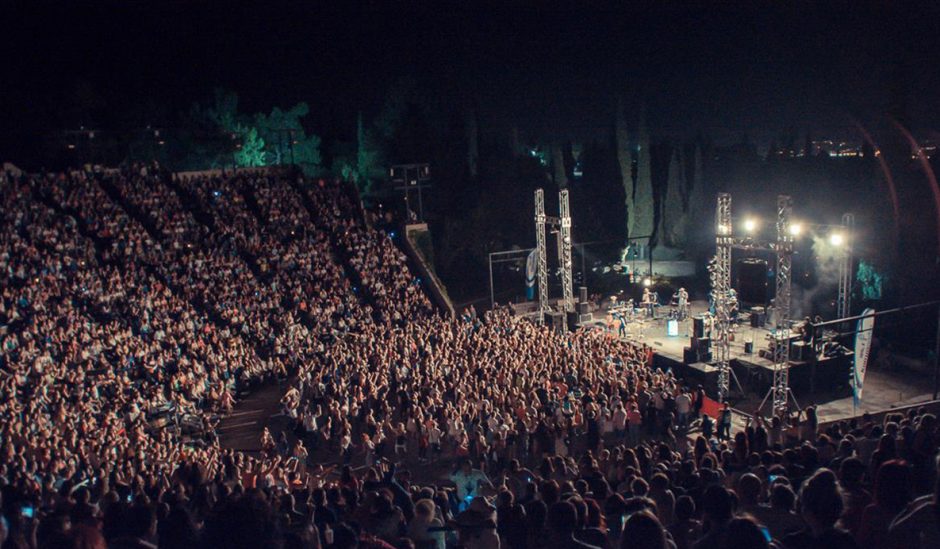
Festival Dasous, Thessaloniki’s premier cultural event, returns for its twelfth consecutive year, hosting top-tier performances and concerts across all stages of the National Theatre of Northern Greece. From May through September, audiences will have the opportunity to enjoy world-class theatrical productions and beloved names from both the Greek and international music scenes, surrounded by pine trees with the city lights flickering in the background. It is the best place to catch major touring productions of Ancient Greek Drama and big-name international concerts.


The September Grand Finale

As the intense summer heat begins to mellow, Thessaloniki gears up for its two biggest "urban" festivals that define the city's modern identity.


Street Mode Festival

548505163 18526339717015751 3653174498461768210 n

When: September 2026
Where: Various Industrial Spaces / Port
Learn more: https://www.streetmode.gr/

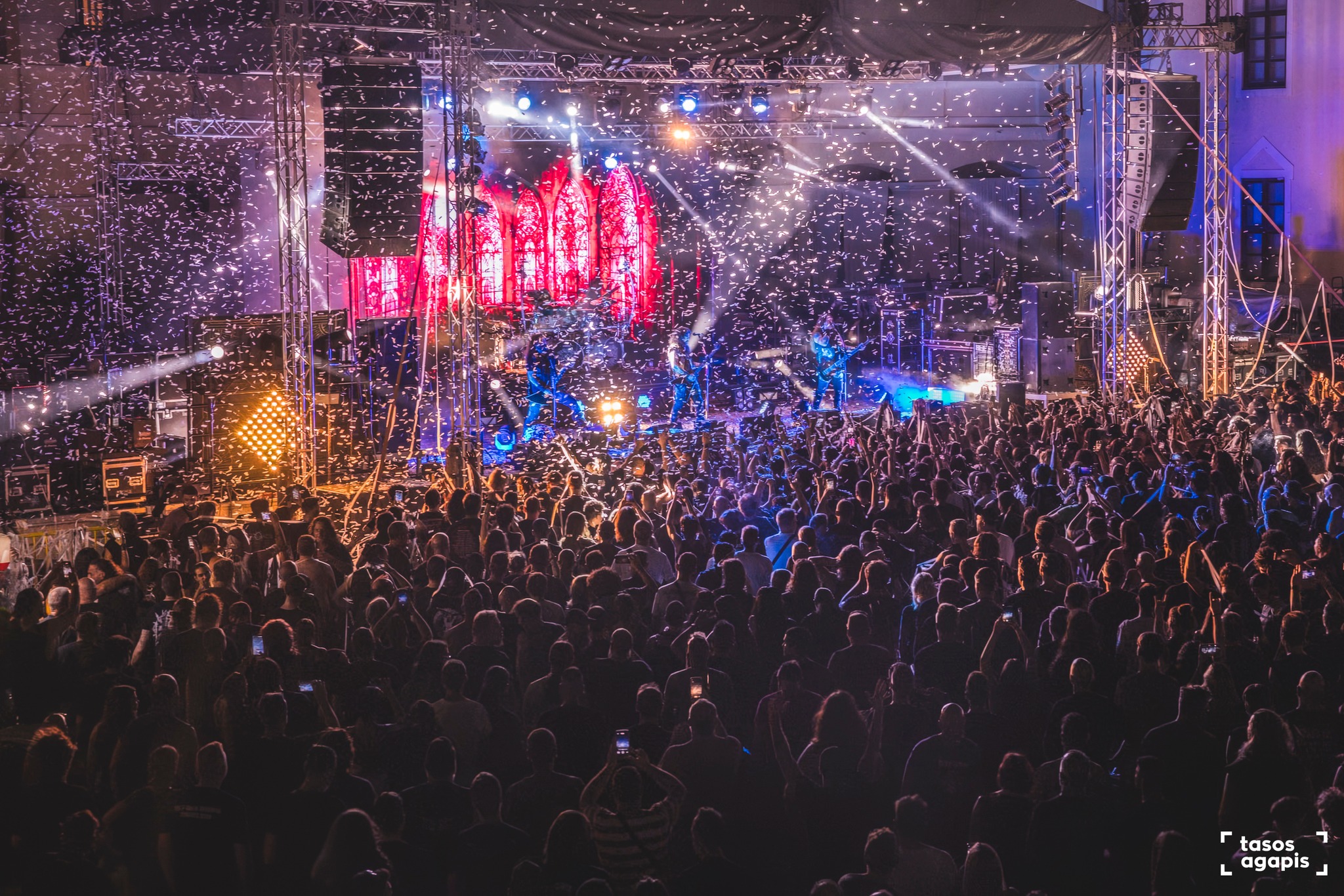
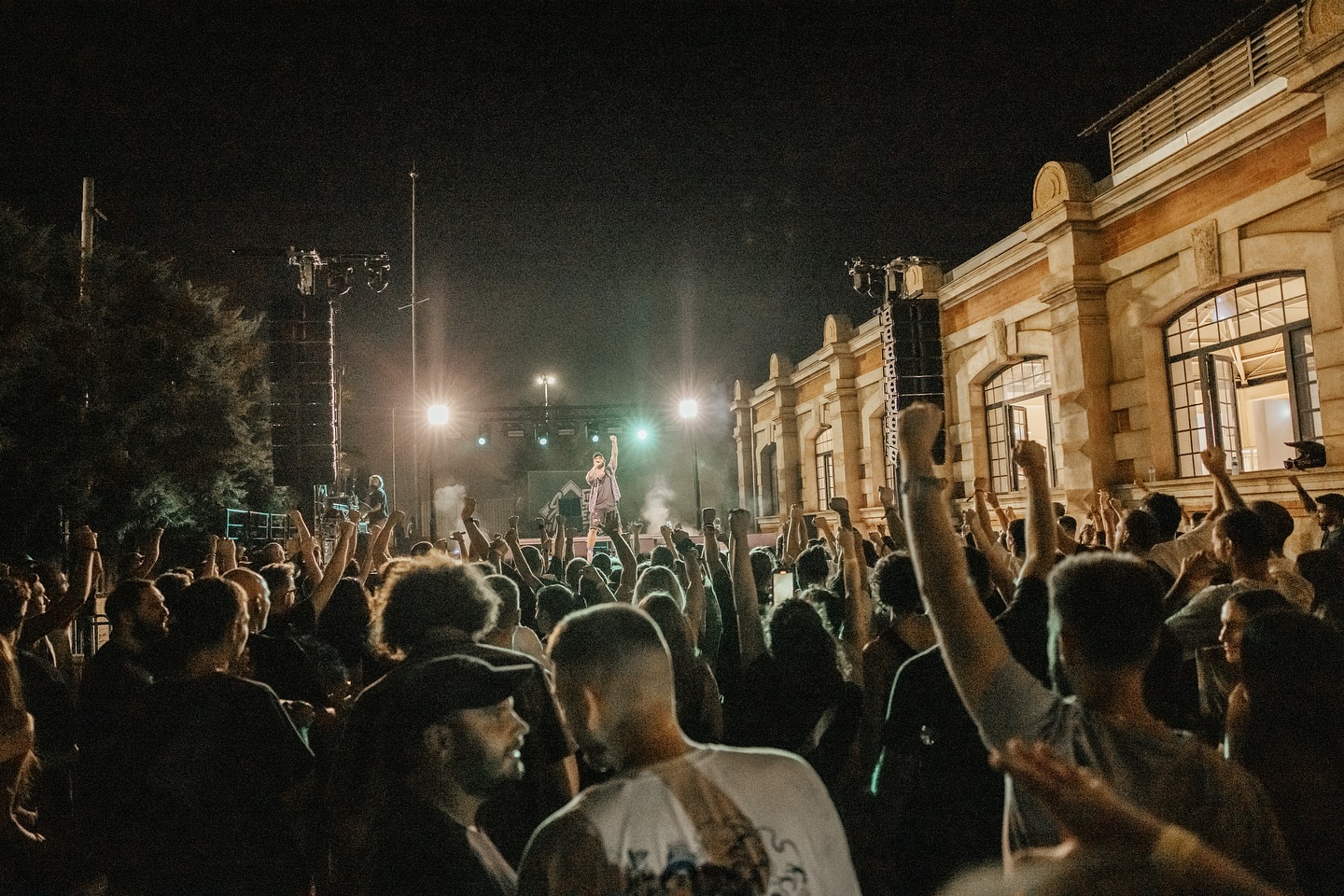
Street Mode is a massive celebration of street culture. It’s a high-octane mix of live music (rock, hip-hop, punk), graffiti art, breakdance, and parkour. It’s raw, energetic, and perfectly captures the rebellious spirit of Thessaloniki’s youth.


Reworks Festival

reworks

When: September 2026
Where: Multiple Venues (Mylos, Thessaloniki Concert Hall, etc.)
Learn more: https://reworks.gr/ 

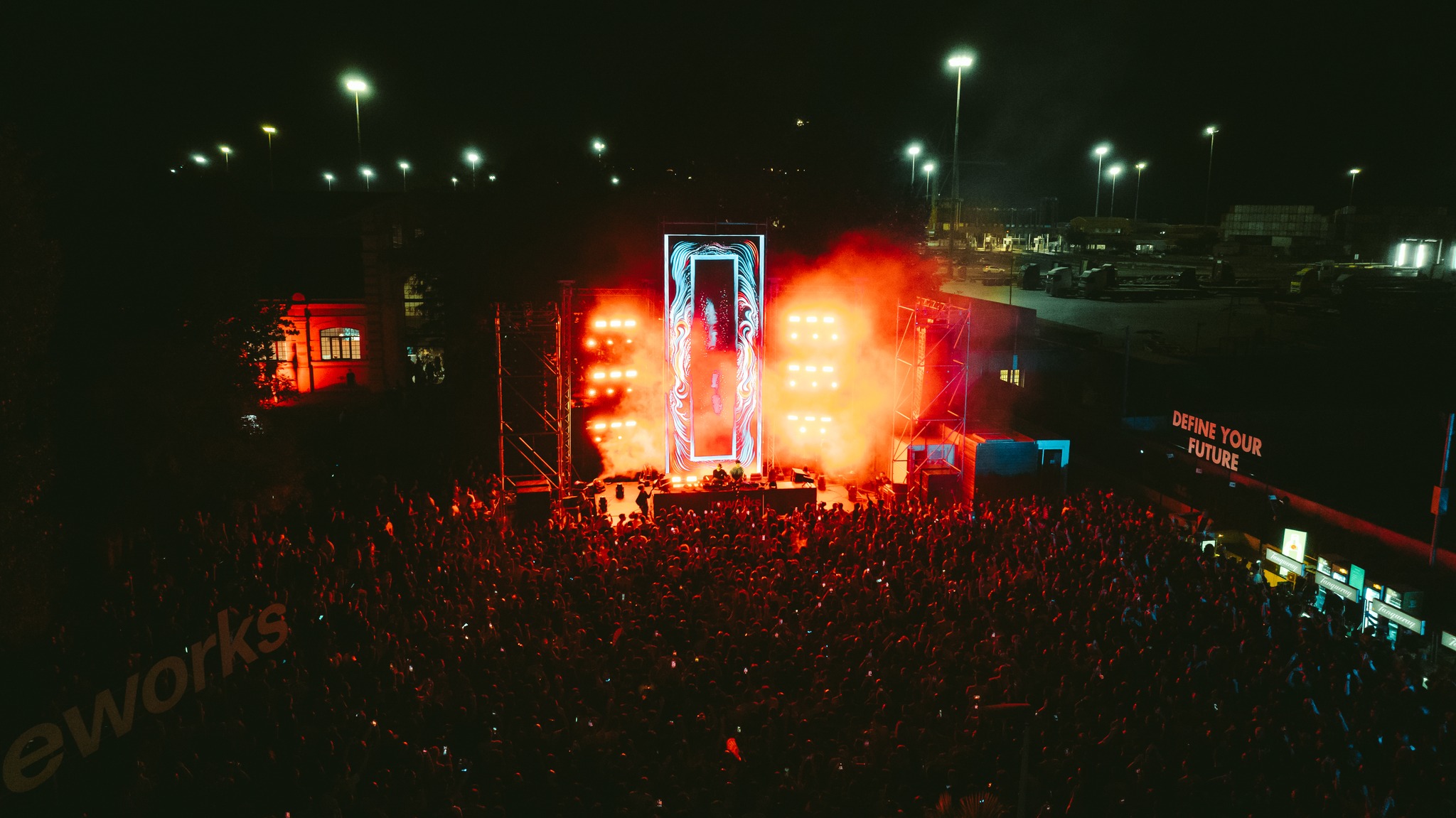
Closing the season is Reworks, Greece’s leading electronic music festival. Bringing together the biggest DJs and visual artists from around the globe, Reworks transforms the city into a giant dance floor. From sunset rooftop parties to late-night industrial raves, it is the ultimate goodbye to summer.

More

Walking through time: Thessaloniki’s open-air heritage

Published in Tips

Thessaloniki, with its long and storied past, reveals itself with every step you take, creating a truly unique multicultural experience. It is a city where 23 centuries of history are not confined to the showcases of its world-class museums; instead, antiquity is seamlessly integrated into the rhythm of modern life.

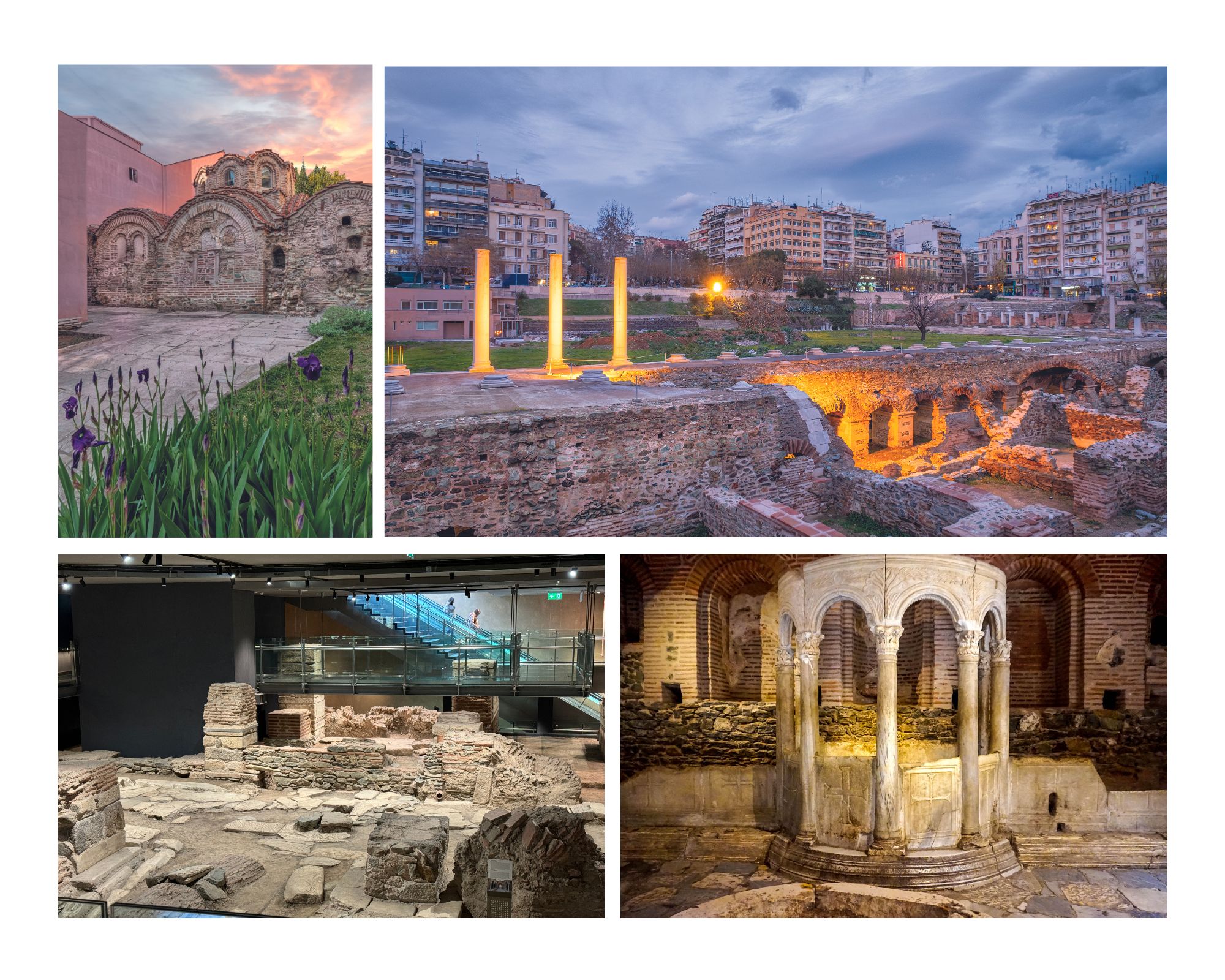
Every walk through the historic and commercial center is an act of discovery. Here, the city functions as a vast, open-air museum where the past is in constant conversation with the present. You might find yourself waiting for a bus next to the towering Arch of Galerius, or grabbing a cocktail overlooking the sprawling Roman Agora. Even the city’s newest addition, the Thessaloniki Metro, serves as a subterranean gallery, showcasing the marble-paved Decumanus Maximus and thousands of artifacts exactly where they were unearthed.

 Untitled design

The city’s cultural mosaic is breathtakingly visible:

  • Hellenistic and Roman foundations rest beneath your feet, often visible through glass floors in shops and hotels.

  • 15 UNESCO World Heritage Monuments, including early Christian and Byzantine churches, stand as living landmarks in the middle of busy neighborhoods.

  • Ottoman hamams and Jewish heritage sites tell the story of a city that has always been a crossroads of the world.

The sea and the unparalleled beauty of its coastal front act as a natural gallery wall for the iconic White Tower, balancing history with the relaxation of the Thermaic Gulf. As you explore, the experience becomes multisensory; the aroma of eastern spices from the Kapani and Modiano markets and the taste of a warm koulouri provide the soundtrack and flavor to your historical trek.

In Ano Poli (the Upper Town), Thessaloniki reveals its most authentic, "frozen in time" aspect. Walking along the massive Byzantine Walls, you are treated to a panoramic view that encompasses the entire timeline of the city.

The journey is completed by a gastronomy recognized by UNESCO. Traditional flavors that bridge East and West coexist with modern creations, turning every meal into a cultural narrative. Thessaloniki is the ideal city break destination—a place where you don't just visit history; you live it, breathe it, and walk through it every single moment.

More

Unlocking Chalkidona: A Journey through the crossroads of history and nature

Published in Hidden gems

While Thessaloniki’s vibrant center—with its bustling waterfront, Roman ruins, and lively cafes—is the starting point for most travelers, some of the region's most captivating stories are tucked away just beyond the city limits.

Just a short distance from the city center lies the Municipality of Chalkidona. For both curious locals and travelers looking to escape the usual tourist trails, Chalkidona is a true hidden gem. Offering a brilliant mix of ancient history and the pivotal political drama that shaped modern Greece, this area makes for a perfect day trip.

Here are two remarkable sites in Chalkidona that you absolutely need to add to your Thessaloniki itinerary.

The Macedonian Tombs of Agios Athanasios: Unearthing the Elite of Antiquity

468626419 1621305795133728 5797936960292358770 n

Εφορεία Αρχαιοτήτων Περιφέρειας Θεσσαλονίκης

Just 20 kilometers west of Thessaloniki, in the Municipal Unit of Agios Athanasios, lies an impressive archaeological site that transports you straight back to the era of Alexander the Great.

  • Distance from Thessaloniki: ~20 km (West)
  • Historical Era: Late 4th / Early 3rd Century BC
  • Significance: Intact elite warrior burials

The Discovery

In the spring of 1994, archaeologists investigated an imposing earth mound—a burial tumulus nearly twenty meters high and one hundred meters in diameter. Their mission was delicate: to locate and uncover the ancient structures within while preserving the integrity of the tumulus itself.

What they discovered was extraordinary. The initial excavations along the eastern side brought to light two unlooted tombs dating back to the late 4th and early 3rd century BC.

The Secrets of the Ancient Elite

Because these tombs were untouched by grave robbers, they provided an invaluable, vivid glimpse into the burial customs and daily lives of the ancient Macedonians.

  • Inside a modest, chest-shaped (cist) tomb, archaeologists discovered a deceased individual accompanied by everyday personal items.
  • Alongside iron scrapers (strigils) and spears, the grave contained two pairs of bronze spurs.

A Warrior's Legacy: These unique artifacts suggest the tomb belonged to a young cavalryman, a proud member of the elite companion cavalry of the Macedonian army.

Today, this site sits alongside another beautiful Macedonian tomb with an Ionic facade (discovered in 1970). Together, they are part of a unified archaeological park that honors the deep antiquity of the region.


The Balkan Wars Museum: The Villa where Thessaloniki's fate was sealed

ΜΟΥΣΕΙΟ ΒΑΛΚΑΝΙΚΩΝ ΠΟΛΕΜΩΝ 2

Just a few minutes further down the road, 25 kilometers from Thessaloniki along the National Road to Edessa, you will find the village of Gefyra. This quiet town holds one of the most historically significant buildings in modern Greek history: the Balkan Wars Museum.

  • Distance from Thessaloniki: ~25 km
  • Original Name: Villa Modiano / Villa Topsin
  • Key Date: October 26, 1912 (The liberation of Thessaloniki)

From Grand Estate to Military Headquarters

Built in 1906, this elegant villa was originally the central building of the Modiano estate, owned by Yako Modiano—son of Saul Modiano, one of the largest property owners in the Ottoman Empire. Back then, the village was known by its Ottoman name, Topsin, and the estate was known alternately as Villa Modiano or Villa Topsin.

During the First Balkan War, on October 24, 1912, the villa became the General Headquarters of the Greek forces. It was in this very house, over three intense days, that the destiny of Macedonia was decided.

The Historic Surrender

Inside the villa's walls, high-stakes negotiations took place between the Ottoman commander of the city, Hasan Tahsin Pasha, and the Commander-in-Chief of the Greek forces, Crown Prince Constantine.

After several rounds of negotiations, Ottoman representatives returned to the villa on the afternoon of October 26, 1912—the feast day of Saint Demetrius, Thessaloniki's patron saint—to accept the unconditional surrender of the city. To this day, a torchlit relay race is held annually on this date from the museum to the 3rd Army Corps in Thessaloniki to commemorate the historic moment.

Exploring the Museum

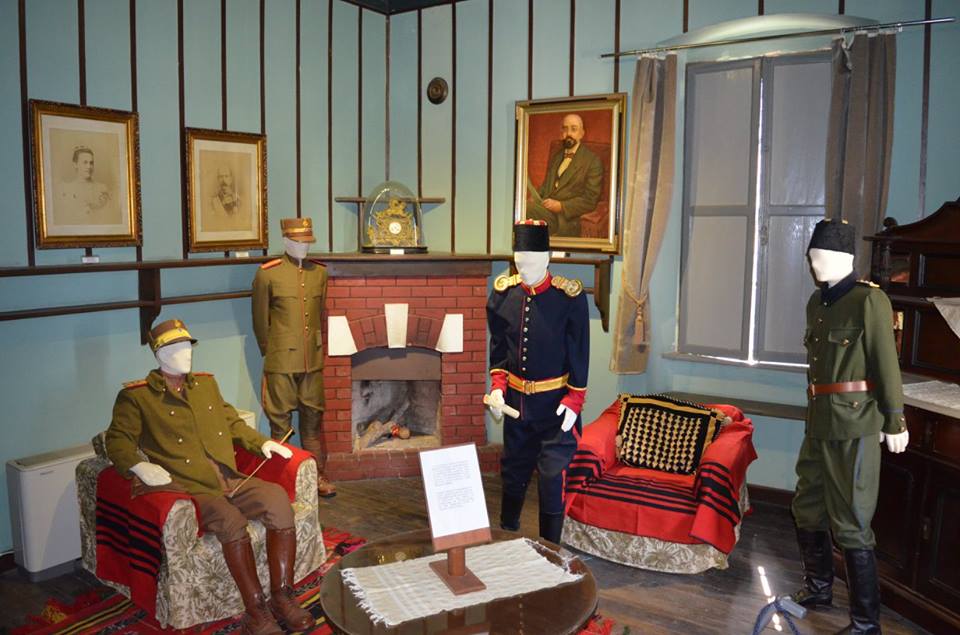
Today, the villa has been meticulously preserved. Visitors can walk through rooms that still contain the furniture of the era, alongside an incredible collection of artifacts, including:

  • Greek, Turkish, Bulgarian, Serbian, Montenegrin, and Romanian military uniforms and weapons (such as the Greek Mannlicher M1903 and Turkish Mauser M1889).
  • A handwritten card by the Greek Prime Minister of the time, Eleftherios Venizelos.
  • An exact copy of the protocol of the surrender of Thessaloniki.

The Resting Place of a Complex Figure

In the courtyard of the museum lies the tomb of Hasan Tahsin Pasha and the remains of his son and adjutant, Kenan Mesare. Tahsin Pasha was a fascinating, dramatic historical figure. Educated at the Zosimaia School of Ioannina, he was deeply immersed in Greek culture. His respect for Hellenic civilization was a key factor in his decision to surrender the city peacefully to the Greeks rather than to the Bulgarians.

Though he fell out of favor with the Ottoman Empire and spent the rest of his life in Switzerland under the protection of the Greek state, his bloodless surrender saved the city of Thessaloniki from destruction.

Why You Should Visit

Chalkidona proves that you don't have to travel far from Thessaloniki's city center to find profound historical narratives and peaceful scenery. Whether you are a resident looking to rediscover the history of your home region, or a tourist eager to explore the authentic paths of Central Macedonia, the tombs of Agios Athanasios and the Balkan Wars Museum offer an unforgettable journey through time.


More

Taste of Greek Christmas

Published in Food & Drink

Christmas in Greece is filled with aromas, flavors, and heartfelt traditions that pass down through generations. From warm festive drinks to crispy honey-dipped treats and symbolic breads, every Greek home becomes a haven of delicious scents during the holidays. Let’s explore the most beloved Greek Christmas delicacies!

Oinomelo – The Greek Mulled Wine

Oinomelo is Greece’s version of European glühwein. Made from semi-sweet or sweet wine combined with spices like cinnamon, cloves, pepper, and nutmeg, it’s the perfect drink for cold winter nights. In some regions, anise and dried fruits are added for extra depth. One mug of warm Oinomelo instantly brings you into the Christmas spirit.

Melomakarona – Honey Cookies with Ancient Roots

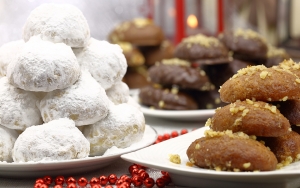
These soft, aromatic cookies are a staple of the Greek holiday table. Made with olive oil, flour, honey, and citrus notes from lemon or orange, they are considered relatively healthy compared to many desserts. Often sprinkled with cinnamon and walnuts, melomakarona have ancient origins, deriving their name from the ancient makaria combined with honey.

Kourabiedes – The Snowy Butter Cookies

Kourabiedes are the snowy stars of Greek Christmas. Prepared with flour, butter, almonds, sugar, and cognac, and generously dusted with icing sugar, they melt in your mouth with every bite.
Their history traces back to Persia in the 7th century before making their way to Greece and becoming a beloved festive delight.

Christopsomo – The Bread of Blessing

Christopsomo, literally "the bread of Christ," symbolizes prosperity and family blessing. This round loaf, covered with sesame and decorated with a cross, is often enriched with walnuts symbolizing fertility. In Crete, the decorations can be elaborate, using high-quality honey, rosewater, nuts, and warming spices like cinnamon and cloves.

Diples – Crispy Honey Rolls

Diples are thin strips of dough fried until perfectly crispy, then dipped in honey and sprinkled with walnuts and cinnamon. A festive treat especially popular in the Peloponnese, they offer a simple yet irresistible Christmas sweetness.

Vasilopita – The New Year’s Good Luck Cake

No New Year celebration in Greece is complete without the Vasilopita. Made with flour, eggs, sugar, and milk, its surface often displays the new year’s number written with almonds.
Inside hides the flouri, a coin that brings luck to the person who finds it. Cutting the Vasilopita is one of the most anticipated family traditions of the year!

Greek Christmas is a feast of flavors, scents, and timeless customs. From steamy Krasomelo to sugar-dusted kourabiedes and the symbolic Vasilopita, every treat tells its own story and brings people together. More than just sweets, these festive delicacies are memories, emotions, and the warmth of family moments.

More
Subscribe to this RSS feed

#visitthessaloniki